
First time to Greece…..
Welcome to Greece
A country that captivates the senses with its rich history, stunning natural beauty, and the warm hospitality of its people.
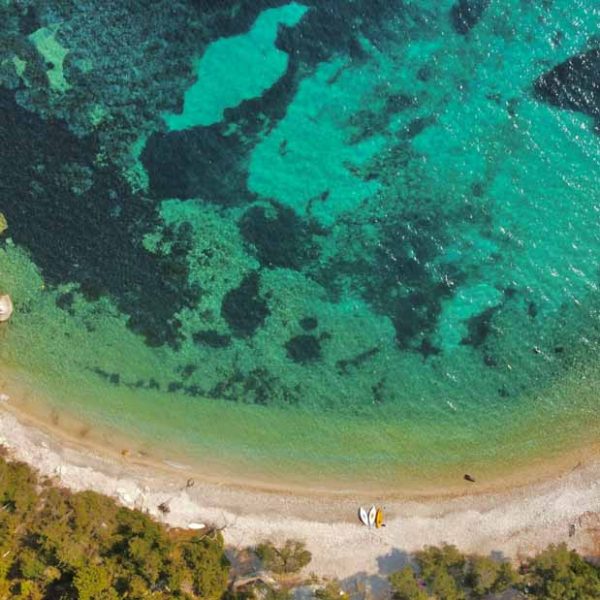
Welcome to the Blue Diamond of the Planet Earth
Dear Visitors,
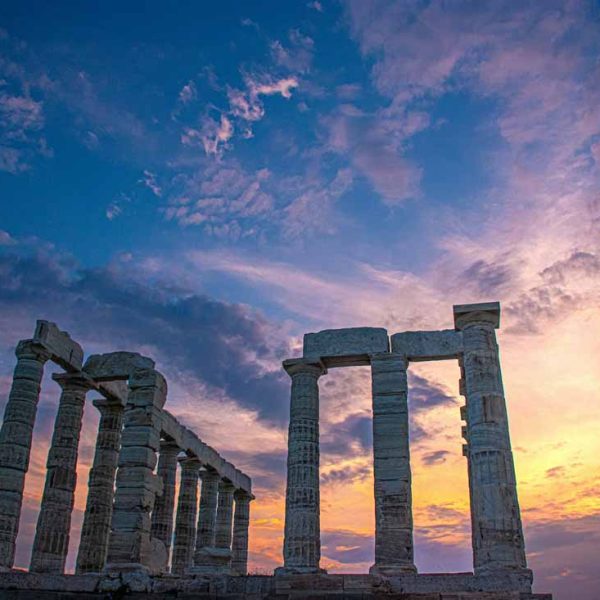
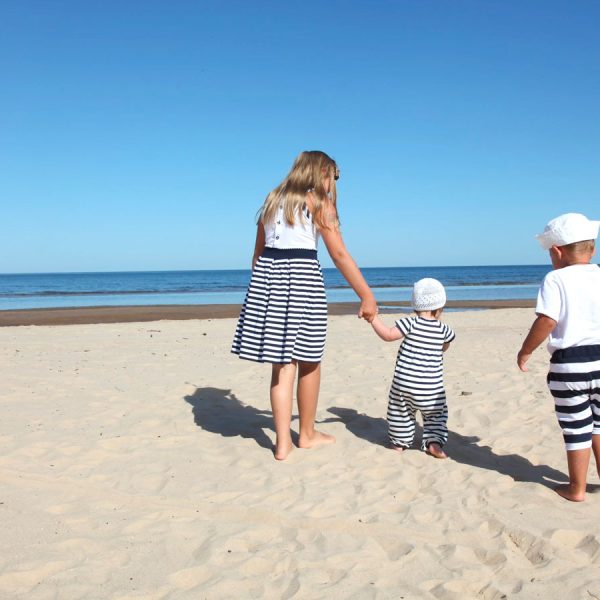
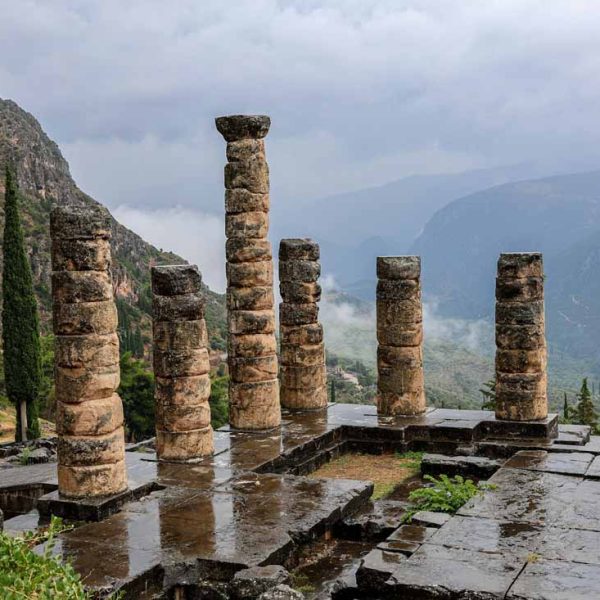
Welcome to Greece, a country that captivates the senses with its rich history, stunning natural beauty, and the warm hospitality of its people. Get ready to explore ancient ruins that whisper tales of centuries past, relax on idyllic beaches with crystal-clear waters, and savor the world-renowned Mediterranean cuisine. Greece is a land of contrasts and surprises, where tradition meets modern life, and every corner hides a new adventure. We’re thrilled to have you here, and we hope this page will help make your first experience in Greece unforgettable! For your first time to Greece, get ready for an adventure you’ll never forget!
Travel Guide to Greece
“Essential Tips for a Safe and Smooth Experience in Greece”
First time to greece
Before Your Trip
Documents and Visa
- For citizens of the European Union (EU), the European Economic Area (EEA), and Switzerland, all you need is a valid ID card or passport.
- For citizens of other countries, it’s crucial to check visa requirements before your trip. You can find detailed information on the website of the Hellenic Ministry of Foreign Affairs or at the Greek embassy/consulate in your country. Generally, for short tourist stays (up to 90 days), many nationals from countries like the United States, Canada, Australia, etc., do not require a visa, but it’s always best to confirm.
- Ensure your passport is valid for at least three months beyond your intended date of departure from Greece and is not damaged.
Before Your Trip
Currency and Payments
- The official currency of Greece is the Euro (€).
- Credit and debit cards are widely accepted in many shops, restaurants, and hotels, especially in larger cities and tourist areas. However, it’s a good idea to have some cash with you, especially for smaller establishments, tavernas in remote areas, or local markets.
- You can exchange currency at airports, ports, banks, and exchange bureaus. Banks usually offer better exchange rates but have specific opening hours.
- Inform your bank about your trip to Greece to avoid any blocks on your cards.
Before Your Trip
Language
- The official language is Greek.
- While many people working in the tourism industry speak English, especially in more touristy places, an effort to say a few basic phrases in Greek will be greatly appreciated.
- Some useful phrases:
- Γεια σας (Ya sas) – Hello (formal) / Γεια σου (Ya sou) – Hello (informal)
- Καλημέρα (Kalimera) – Good morning
- Καλησπέρα (Kalispera) – Good evening
- Καληνύχτα (Kalinychta) – Good night
- Ευχαριστώ (Efharisto) – Thank you
- Παρακαλώ (Parakalo) – Please / You’re welcome
- Ναι (Ne) – Yes
- Όχι (Ohi) – No
- Μιλάτε αγγλικά; (Milate anglika?) – Do you speak English?
- Δεν καταλαβαίνω (Den katalaveno) – I don’t understand
- Πόσο κάνει; (Poso kani?) – How much does it cost?
First time to greece
Electricity and Adapters
- In Greece, Type C and F power sockets are used (with two round pins).
- The standard voltage is 230V AC at 50Hz.
- If your devices have a different type of plug, you will need an adapter.
Before Your Trip
Health and Safety
- It is recommended to have travel insurance that covers medical expenses, loss of luggage, and other unforeseen circumstances.
- There are no specific vaccinations required for entry into Greece from most countries, but it’s always a good idea to consult your doctor before traveling.
- The European emergency number is 112.
- Generally, Greece is a safe country for tourists, but as with any trip, it’s important to be mindful of your personal belongings, especially in crowded areas.
Before Your Trip
Arriving in Greece
Airports and Ports:
- The main international airports are in Athens (Athens International Airport “Eleftherios Venizelos” – ATH) and Thessaloniki (Thessaloniki International Airport “Makedonia” – SKG), as well as many others on popular islands like Rhodes, Kos, Corfu, Santorini, and Mykonos.
- Piraeus is the largest port in Greece and one of the largest in Europe, connecting Athens with most of the Aegean islands. Other significant ports are Rafina and Lavrio near Athens, as well as ports in other cities and islands.
Before Your Trip
Getting To/From:
- From Athens Airport: You can use the metro (Line 3 – blue line), express buses (e.g., X95 to Syntagma Square), taxis, or rent a car.
- From Thessaloniki Airport: You can use buses (OASTH lines), taxis, or rent a car. The metro will be available soon.
- From Ports: There are usually buses, taxis, and local transport options connecting the port with the nearest town or settlement. If you’ve rented a car, you might be able to pick it up directly from the port in some cases.
first time to greece
During Your Stay
Getting Around Greece:
- Buses (KTEL): An extensive network of buses connects most cities and villages on the mainland.
- Trains (OSE): There are train connections between major cities, but the network is not as extensive as the bus network.
- Ferries: Essential for traveling between the islands. There are various types of ferries, from conventional ferries to high-speed catamarans. It’s advisable to book tickets in advance, especially during the peak tourist season.
- Domestic Flights: For long distances between mainland Greece and islands or between remote islands, there are domestic flights available.
- Car/Motorbike Rental: A very popular option, especially for exploring islands or rural areas. Ensure you have a valid driver’s license (an international driving permit may be required depending on your nationality), and be cautious while driving, as roads in some areas can be narrow or winding.
- Taxis: Available in cities and tourist areas. You can find them at taxi ranks, call them by phone, or use ride-hailing apps.
Before Your Trip
Food and Drink
- Greek cuisine is world-renowned for its fresh ingredients, olive oil, and flavorful recipes. Don’t miss trying: moussaka, souvlaki, Greek salad (horiatiki), tzatziki, gyros, fresh seafood, and many other local specialties depending on the region you visit.
- Greece produces excellent wine and beer. Try local wines and Greek beers.
- Ouzo and tsipouro are traditional Greek spirits usually served as an aperitif or accompanied by mezedes (appetizers).
- Tap water is generally safe to drink in most areas, but if you have any doubts, you can opt for bottled water.
First time to Greece
Communication
- You can buy a local SIM card from mobile phone company stores (e.g., Cosmote, Vodafone, Wind) or from kiosks and supermarkets. This can be more cost-effective for calls and data, especially if your stay is long.
- Many hotels, cafes, and restaurants offer free Wi-Fi.
Before Your Trip
Opening Hours
- Shops typically open from 9:00 or 10:00 am to 2:00 or 3:00 pm and then reopen around 5:00 or 6:00 pm until 8:00 or 9:00 pm. Many shops are closed on Sundays, except in tourist areas where they may have different hours.
- Banks usually operate from Monday to Friday, from 8:00 am to 2:30 pm.
- Archaeological sites and museums usually have opening hours from 8:00 am to 3:00 pm or 8:00 pm, depending on the season. It’s best to check the exact opening hours before your visit.
Before Your Trip
Weather
- Greece has a Mediterranean climate with hot, dry summers and mild, rainy winters.
- Spring (April-May): Pleasant weather with blooming landscapes, ideal for hiking and exploring.
- Summer (June-August): Hot weather, perfect for swimming and sunbathing. Temperatures can exceed 30°C (86°F).
- Autumn (September-October): Mild weather, the sea is still warm, and it’s a good time to avoid the crowds.
- Winter (November-March): Mild but with a chance of rain, especially in the north where there can be snow. Not ideal for beaches, but you can enjoy ski resorts and cities.
Before Your Trip
Exploring Greece
Popular Destinations:
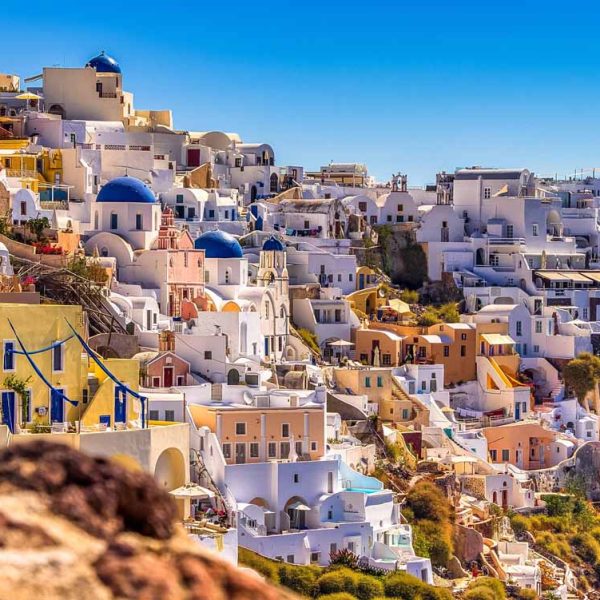
- Islands: Santorini (for romantic sunsets and unique architecture), Mykonos (for vibrant nightlife and beautiful beaches), Crete (the largest island with rich history and diverse landscapes), Rhodes (medieval town and beautiful coasts), Corfu (Venetian influence and lush greenery), Zakynthos (famous for Navagio beach), Naxos (largest Cycladic island with lovely beaches and villages), Paros (cosmopolitan island with traditional villages).
- Mainland Greece: Athens (ancient history and modern life), Thessaloniki (cultural capital with a lively atmosphere), Delphi (important archaeological site), Meteora (spectacular monasteries on cliffs), Peloponnese (Mycenae, Olympia, Monemvasia).
first time to Greece
Things to Do
- Visit archaeological sites and museums.
- Relax on beautiful beaches and swim in crystal-clear waters.
- Try water sports (windsurfing, kitesurfing, scuba diving).
- Wander through picturesque villages and get to know the local culture.
- Hike in stunning natural landscapes.
- Enjoy the vibrant nightlife.
- Savor the delicious Greek cuisine.
First time to Greece
Respect and Culture
- Greeks are generally very hospitable and friendly. Politeness goes a long way.
- Tipping is customary in restaurants and cafes (around 3-5% for good service).
- Dress modestly when visiting churches and monasteries (cover shoulders and knees).
- Be aware that midday (around 2:00 pm to 5:00 pm) is often a time for a break , especially in smaller towns.
- Greeks value their traditions and family.
First time to Greece
Emergency
- Emergency Number (Police, Fire Brigade, Ambulance): 112
- Police: 100
- Fire Brigade: 199
- Ambulance: 166
- In case of an emergency, stay calm and provide your location and the nature of the emergency clearly.
First time to greece
Before Your Trip
Useful Phrases
Here are a few more basic Greek phrases that might come in handy:
- Καλησπέρα (Kalispera) – Good afternoon / Good evening
- Τι κάνετε; (Ti kanete?) – How are you? (formal) / Τι κάνεις; (Ti kanis?) – How are you? (informal)
- Καλά είμαι, ευχαριστώ (Kala ime, efharisto) – I’m fine, thank you
- Αντίο (Adio) – Goodbye
- Συγγνώμη (Sygnomi) – Sorry / Excuse me
- Λογαριασμός παρακαλώ (Logariasmos parakalo) – The bill, please
- Ένα ποτήρι νερό παρακαλώ (Ena potiri nero parakalo) – A glass of water, please
- Μια μπύρα παρακαλώ (Mia bira parakalo) – A beer, please
- Πού είναι η τουαλέτα; (Pou ine i toualeta?) – Where is the toilet?
A vacation is what you take when you can no longer take what you’ve been taking.