
🏝️ Naxos Travel Guide: The Heart of the Cyclades
Naxos, the largest and most fertile island of the Cyclades, is a captivating blend of ancient history, stunning beaches, traditional villages, and vibrant local life. Unlike its more glamorous neighbors, Naxos offers a more authentic and diverse Greek island experience. Whether you seek thrilling watersports, serene mountain escapes, archaeological wonders, or delicious local cuisine, Naxos invites you to discover its rich tapestry.
📍 General Information for Naxos
- Capital: Chora (Naxos Town), a charming port town dominated by a Venetian castle.
- Currency: Euro (€).
- Language: Greek (English is widely spoken in tourist areas).
- Country Code: +30 (Greece).
- Best Time to Visit: June to September for sun, swimming, and lively atmosphere; May and October for milder weather, fewer crowds, and ideal conditions for hiking and exploration.
- How to Get There: By ferry from Piraeus or Rafina ports in Athens (3.5-6 hours depending on ferry type), or by flight to Naxos Island National Airport (JNX) from Athens (approx. 40 minutes).
🏛️ History & Mythology: Land of Gods and Heroes
Naxos is steeped in rich mythology and ancient history:
- Mythology: According to Greek mythology, Naxos was the island where Dionysus, the god of wine, celebration, and ecstasy, grew up. It was also where Theseus abandoned Ariadne, daughter of King Minos, after slaying the Minotaur.
- Antiquity: Naxos was a significant center of the Cycladic civilization and later flourished during the Archaic and Classical periods, renowned for its marble and monumental sculptures.
- Venetian Rule: The island was the center of the Duchy of Naxos, founded by Marco Sanudo in the 13th century, leaving behind impressive Venetian castles and towers.
- Byzantine & Ottoman Periods: Traces of Byzantine churches and Ottoman influence can also be found across the island.
- Fun Fact: The famous Portara, the massive marble gate on the islet of Palatia, is the unfinished entrance to an ancient temple dedicated to Apollo, dating back to the 6th century BC!
📍 Top Towns & Areas: Explore Naxos's Diverse Landscape
Discover the varied landscapes and charming settlements of Naxos:
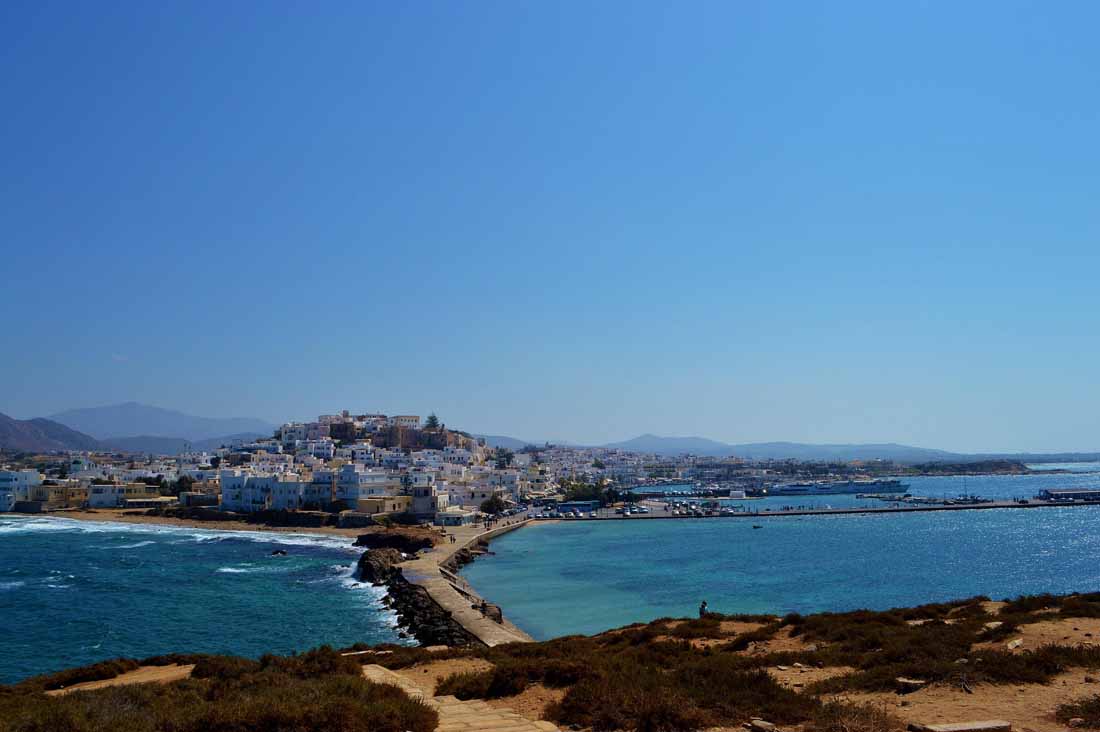
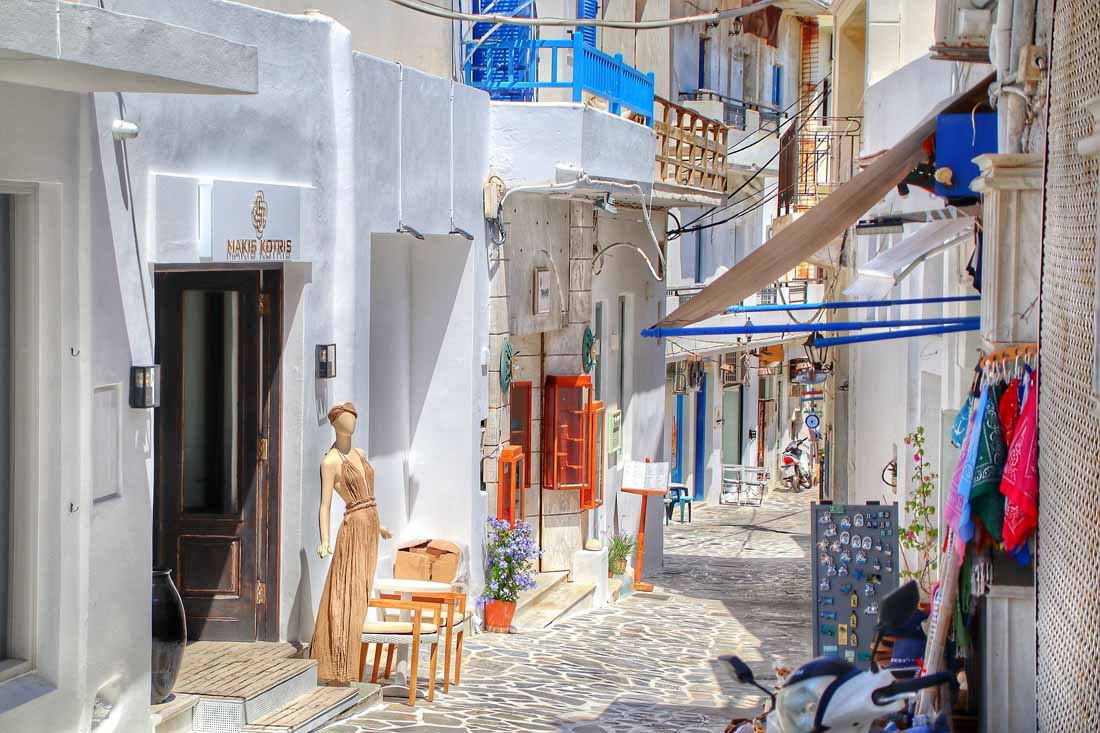
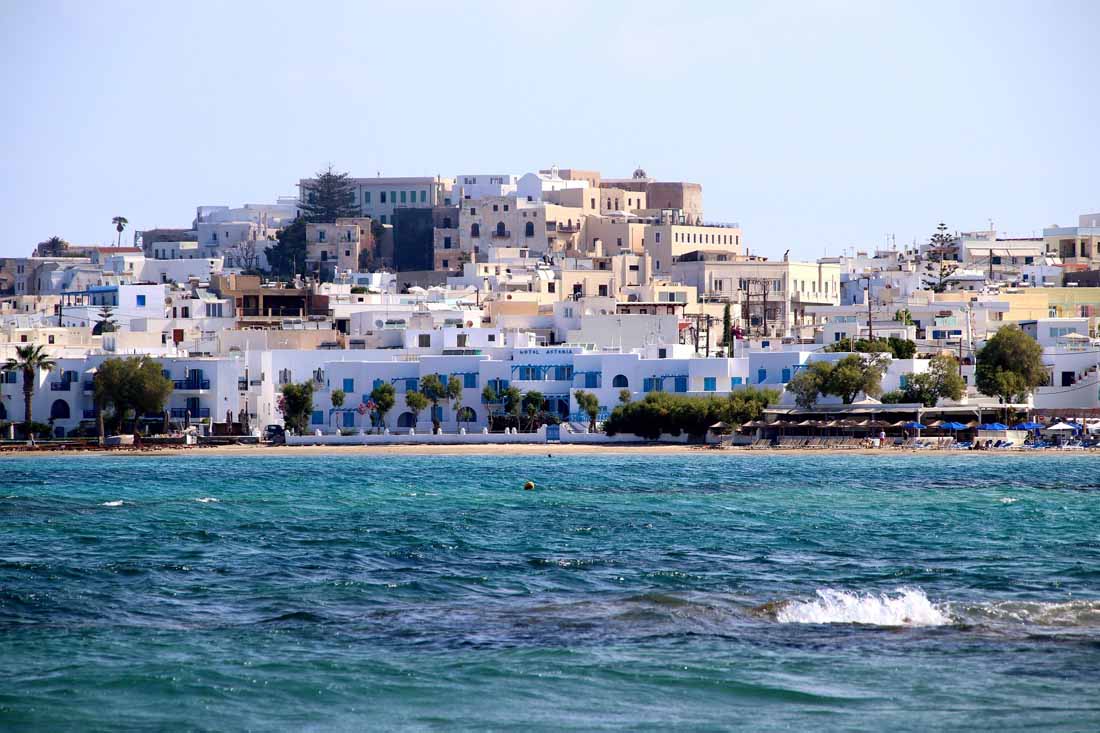
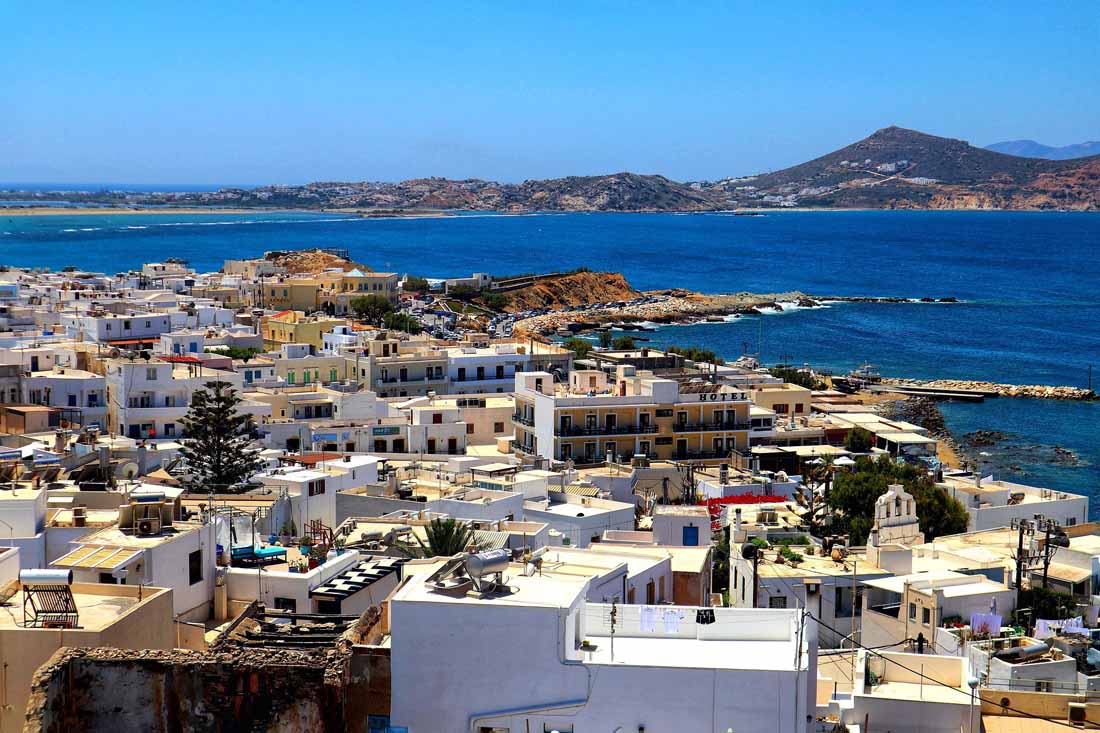
- Chora (Naxos Town): The bustling capital and port, featuring the iconic Portara, the impressive Venetian Kastro (Castle) with its labyrinthine alleys, traditional shops, and waterfront restaurants. An excellent base for exploring the island.
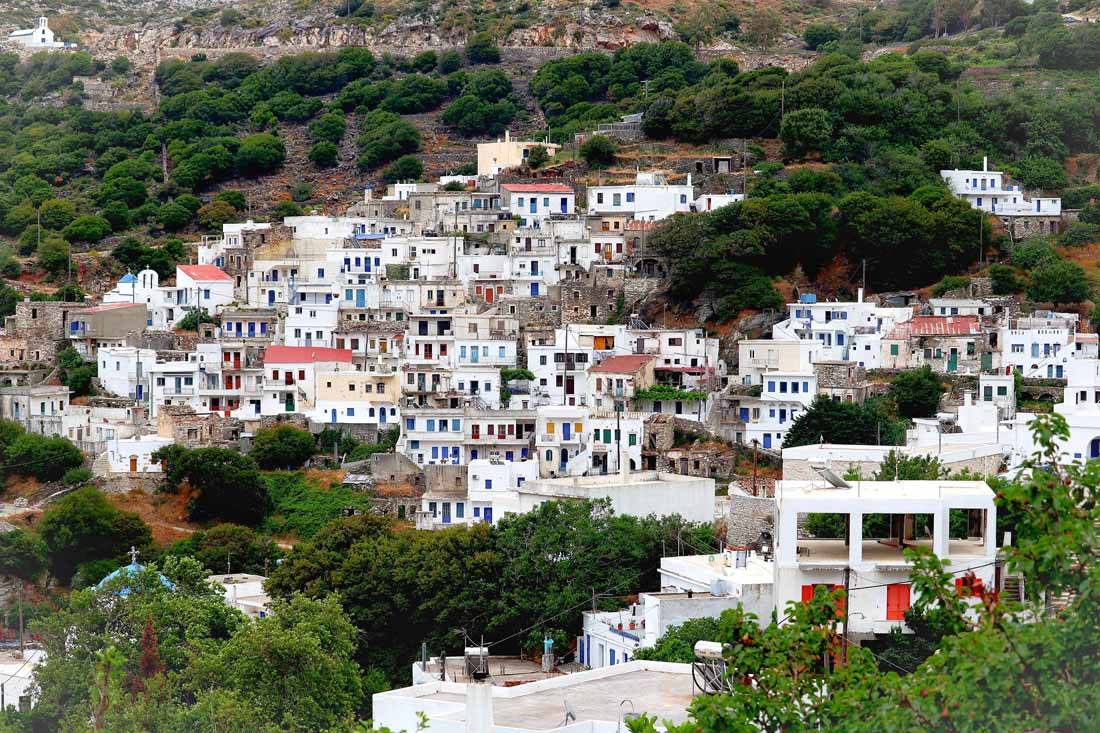
- Apeiranthos: A picturesque mountainous village, often called the "Marble Village," with traditional architecture, folk museums, and stunning views. It offers a glimpse into authentic Naxian life.
- Halki (Chalkio): A beautiful inland village in the fertile Tragea valley, known for its neoclassical mansions, the famous Vallindras Kitron Distillery, and Byzantine churches.
- Filoti: Another large mountain village, surrounded by olive groves and offering access to hiking trails, including those leading to Mount Zeus.
- Agia Anna / Agios Prokopios / Plaka: A stretch of magnificent, sandy beaches on the southwest coast, offering a range of accommodations, tavernas, and watersports. Ideal for beach lovers.
- Tip: Rent a car or ATV to fully explore the island, as Naxos is large and its inland villages and secluded beaches are best accessed with private transport.
🏖️ Best Beaches of Naxos: Endless Golden Sands and Azure Waters
Naxos boasts some of the finest beaches in the Aegean:
- Agios Prokopios: Consistently ranked among the best beaches in Europe, famous for its golden sand and crystal-clear, deep blue waters. Well-organized with sunbeds and tavernas.
- Agia Anna: A continuation of Agios Prokopios, equally beautiful, with a charming fishing harbor and excellent seafood tavernas.
- Plaka Beach: An expansive stretch of soft golden sand, offering a mix of organized sections with beach bars and quieter, more secluded spots. Ideal for long walks and relaxed days.
- Mikri Vigla: A favorite spot for windsurfers and kitesurfers due to its strong winds. Divided into two bays, Parthena and Sahara, each with its own charm.
- Hawaii Beach: A wild, untouched beach located south of Mikri Vigla, known for its pristine beauty, sand dunes, and turquoise waters. Accessible via a dirt road.
- Alyko Beach: A beautiful, quiet beach with cedar trees, offering natural shade and stunning blue waters. Part of a protected nature reserve.
- Tip: The western coast beaches are generally calmer and more organized, while those on the east offer wilder, more secluded experiences.
🏛️ Attractions & Activities: Beyond the Beaches
Naxos offers a wealth of archaeological sites, historical monuments, and activities:
- Portara (Temple of Apollo) (📍 Google Maps): The iconic marble gate in Chora, offering magnificent sunset views.
- Naxos Kastro (Castle) (📍 Google Maps): Explore the Venetian castle in Chora, with its medieval alleys, Tower of Glezos, and Catholic Cathedral.
- Archaeological Museum of Naxos (📍 Google Maps): Located within the Kastro, displaying artifacts from the Neolithic to the early Christian periods.
- Temple of Demeter at Sangri (📍 Google Maps): A beautifully restored ancient temple dedicated to the goddess of harvest, located in a peaceful rural setting.
- Kouros of Melanes & Apollonas (📍 Google Maps): Giant, unfinished ancient marble statues (Kouroi) still lying in their ancient quarries.
- Panagia Drosiani Monastery (📍 Google Maps): One of the oldest Byzantine churches in Naxos, featuring rare frescoes.
Activities:
- Hiking: Explore numerous trails, including the path to Mount Zeus (the highest peak in the Cyclades) for panoramic views.
- Watersports: Try windsurfing, kitesurfing, or stand-up paddleboarding at beaches like Mikri Vigla or Plaka.
- Boat Trips: Take a day trip to the nearby small Cyclades islands (e.g., Koufonisia, Iraklia) or explore hidden coves around Naxos.
- Cooking Class: Learn to prepare traditional Naxian dishes using local produce.
- Horseback Riding: Enjoy a ride along the beaches or through the countryside.
🌙 Nightlife & Entertainment: From Lively to Local
Naxos offers a varied nightlife, catering to different tastes:
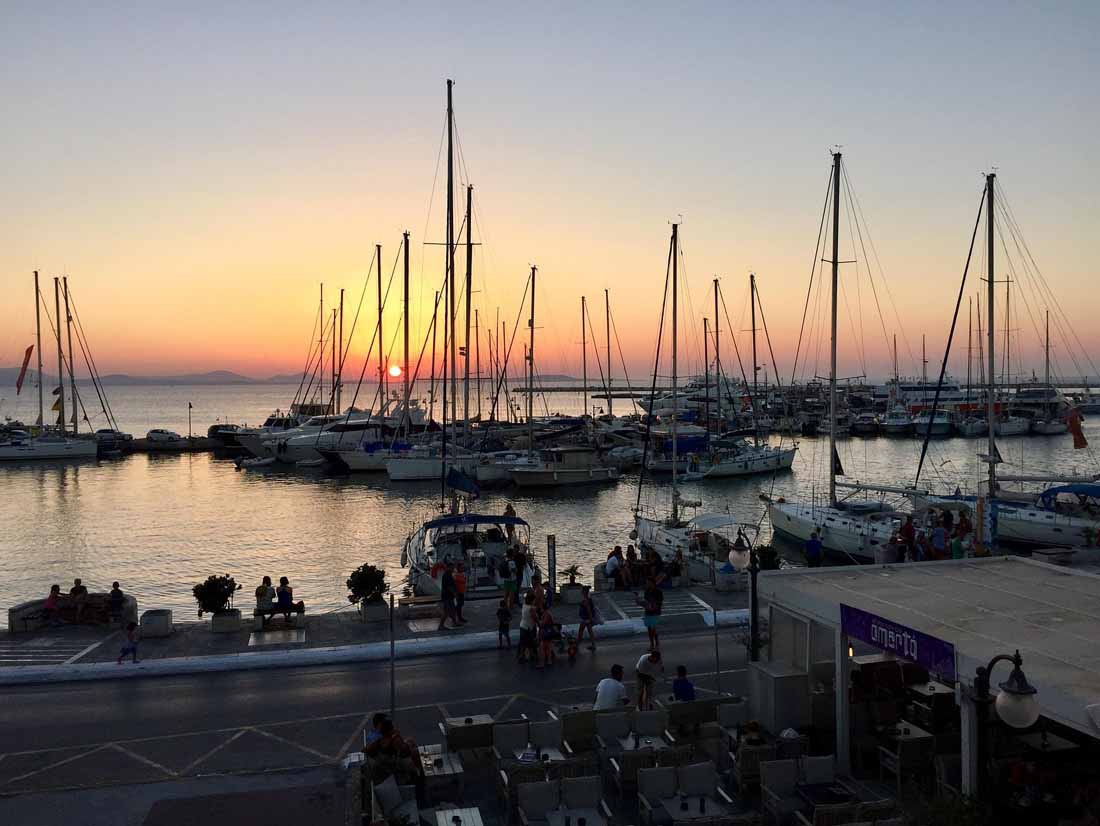
- Chora (Naxos Town): The main hub for nightlife, with numerous bars, cafes, and a few clubs along the waterfront and within the Kastro alleys. Options range from lively cocktail bars to traditional kafeneia.
- Beach Bars: Some organized beaches like Plaka and Agios Prokopios have relaxed beach bars that offer drinks and music until late.
- Traditional Evenings: Look for local tavernas and festivals (panigiria) in villages during summer, offering live Greek music and traditional dancing.
- Tip: For a vibrant but less intense party scene than Mykonos, Chora's waterfront is your best bet. For a truly authentic experience, seek out a local "glenti" (celebration).
🍽️ Food & Local Cuisine: A Gastronomic Delight
Naxos is a culinary powerhouse, famous for its high-quality local produce:
- Must-Try Dishes: Naxian potatoes (considered among the best in Greece), Naxian cheeses (Graviera Naxou, Arseniko, Kefalotyri), roast pork (Naxian style), kalamaras (stuffed calamari), and Kitron (a local citrus liqueur).
- Seafood: Fresh fish and seafood are abundant in coastal tavernas, especially in Chora and Agia Anna.
- Traditional Tavernas: Explore authentic flavors in mountain villages like Apeiranthos and Halki.
- Local Products: Don't leave without tasting the famous Naxian potatoes, cheeses, olive oil, honey, and Kitron liqueur.
- Tip: Visit the Farmers' Market in Chora (usually on Saturdays) to buy fresh local produce directly from the farmers.
🛍️ Shopping & Local Products: Authentic Naxian Treasures
Naxos offers a unique shopping experience with a focus on local crafts and products:
- Naxian Marble: Look for handmade items crafted from local marble.
- Local Food Products: Cheeses, Kitron liqueur, honey, olive oil, and dried herbs.
- Handicrafts: Ceramics, textiles, and traditional jewelry.
- Hot Spot: The alleys of Chora (Naxos Town), especially within the Kastro, are filled with charming boutiques and artisan shops. Villages like Apeiranthos also offer unique local crafts.
🌿 Hidden Gems & Local Experiences: Discover Naxos's Secrets
- Flerio (Kouros of Flerio): Discover an ancient, unfinished Kouros statue lying in an olive grove near Melanes.
- Damalas Pottery Workshop: Visit a traditional pottery workshop in Damalas village and see the artisans at work.
- Tower of Bazeos: A beautifully restored Venetian tower and former monastery, now hosting cultural events and a museum.
- Walk the Byzantine Footpaths: Explore the island's ancient paths connecting villages, dotted with old churches.
- Sunset from the Portara: An absolute must-do for a magical Naxian sunset, often accompanied by live music performances during summer.
🌍 Sustainable Tourism: Protecting the Cycladic Gem
- Support Local Producers: Buy Naxian cheeses, olive oil, and other products directly from local farms and small businesses.
- Conserve Water: Be mindful of water usage, as islands often face water scarcity.
- Respect Nature: Stay on marked trails, do not litter, and respect protected natural areas like Alyko.
- Use Public Transport: Utilize the efficient KTEL bus system for getting around, reducing your carbon footprint.
🌟 Practical Tips for Travelers
- Transportation: The KTEL bus network is extensive and connects Chora to most major beaches and villages. However, a rented car or ATV offers maximum flexibility for exploring the entire island.
- Accommodation: Naxos offers a wide range of options, from budget-friendly studios to luxury resorts. Book well in advance, especially for July and August.
- Weather: Summers are hot and sunny, often with strong "Meltemi" winds, which can be refreshing but sometimes affect ferry schedules or make some beaches windy.
- Naxian Hospitality: Naxians are known for their warmth and hospitality. Don't hesitate to engage with locals and embrace the island's relaxed pace.

 34°C
34°C


