
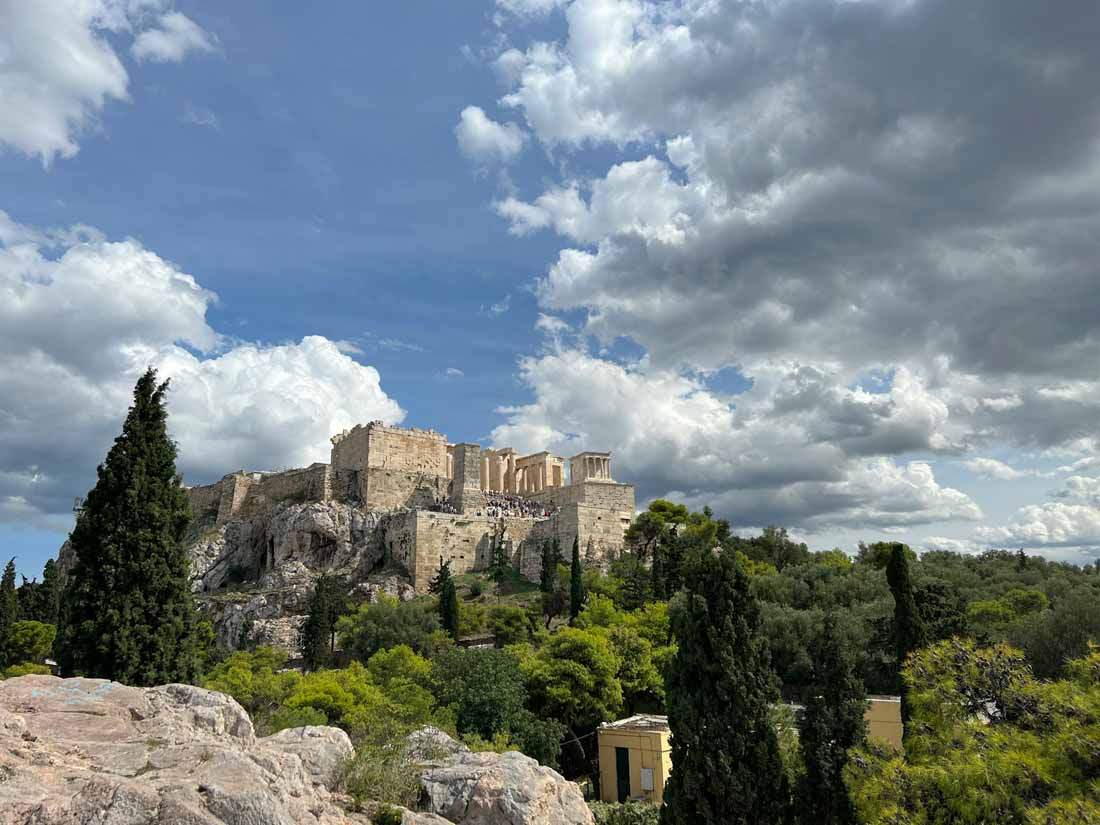
🏛️ Acropolis of Athens Travel Guide: Crown Jewel of Ancient Greece
The Acropolis of Athens, an enduring symbol of democracy, classical art, and Western civilization, stands majestically above the bustling modern city. This ancient citadel, crowned by the magnificent Parthenon, invites visitors to step back in time and witness the grandeur of ancient Greece. More than just ruins, it’s a living testament to human ingenuity and artistic achievement, offering unparalleled historical depth and breathtaking panoramic views of Athens.
📍 General Information for Visiting the Acropolis
- Location: Athens, Greece. Perched on a rocky outcrop overlooking the city.
- Currency: Euro (€).
- Language: Greek (English is widely spoken, especially at the site and in tourist areas).
- Country Code: +30 (Greece).
- Best Time to Visit:
- Shoulder Seasons (April-May & September-October): Ideal for pleasant weather, fewer crowds, and comfortable exploration.
- Early Mornings (opening time) or Late Afternoons (2 hours before closing): Best to avoid the peak crowds and the harshest sun, especially during summer.
- Avoid Midday (11 AM – 3 PM) in Summer: Can be extremely hot and crowded.
- How to Get There: Easily accessible by Athens Metro (Acropoli Station on the Red Line, or Monastiraki Station on the Blue/Green Lines, followed by a short walk), trolley bus, or taxi. It’s also a pleasant walk from central Athens neighborhoods like Plaka and Monastiraki.
🏛️ History & Mythology: Birthplace of Democracy and Divine Tales
The Acropolis is soaked in millennia of history and interwoven with Greek mythology:
- Mythology: The Acropolis was the sacred ground dedicated primarily to the goddess Athena, patroness of Athens. The contest between Athena and Poseidon for patronage of the city is said to have occurred here, with Athena’s gift of the olive tree winning the Athenians over.
- Early Settlement: Continuously inhabited since the Neolithic period, the rock offered a natural defensive position.
- Golden Age of Athens (5th Century BC): Under the leadership of Pericles, the Acropolis was rebuilt following the Persian Wars, transforming it into the architectural marvel we see today. The Parthenon, Erechtheion, Propylaea, and Temple of Athena Nike were all constructed during this period.
- Later Eras: Over centuries, the Acropolis served various purposes – a Byzantine church, a Frankish fortress, an Ottoman mosque. It suffered damage during various conflicts, notably the Venetian bombardment in 1687, which severely damaged the Parthenon.
- Restoration: Extensive restoration efforts, using original marble, have been ongoing for decades, aiming to preserve these iconic structures.
- Fun Fact: The word “Acropolis” literally means “high city” or “city on the edge,” perfectly describing its commanding position!
📍 Key Structures & Areas: Exploring the Ancient Citadel
Each structure on the Acropolis tells a unique story:
- The Parthenon: The majestic temple dedicated to the goddess Athena Parthenos. Considered the pinnacle of Doric order architecture, its optical illusions (like slightly bulging columns) create an impression of perfect straightness. It’s the most iconic symbol of ancient Greece.
- Propylaea: The monumental gateway serving as the grand entrance to the sacred precinct of the Acropolis.
- Erechtheion: An elegant Ionic temple dedicated to both Athena and Poseidon, famous for its Caryatids – six draped female figures serving as supporting columns. (The ones you see are replicas; the originals are in the Acropolis Museum and British Museum).
- Temple of Athena Nike: A small, graceful Ionic temple dedicated to Athena as the goddess of victory. It stands proudly near the Propylaea, overlooking the Aegean Sea.
- Dionysus Theatre: Located on the southern slope of the Acropolis, this is one of the earliest preserved theaters in the world, where ancient Greek tragedies and comedies were first performed.
- Odeon of Herodes Atticus: A stunning Roman-era stone theatre (rebuilt in the 1950s) still used today for major cultural performances, located on the southwest slope.
- Tip: Wear comfortable, non-slip shoes as the marble surfaces can be uneven and slippery. Bring water, especially on hot days, as there are limited facilities on top.
🏛️ Highlights & Experiences: Immerse Yourself in Antiquity
Beyond simply observing, there are ways to deepen your experience:
- Sunrise/Sunset Views: The Acropolis itself offers breathtaking views of the Athenian cityscape, especially during sunrise or sunset, when the light bathes the monuments in golden hues.
- Acropolis Museum (📍 Google Maps): An absolute must-visit. Located at the foot of the Acropolis, this modern museum houses all the artifacts found on the Acropolis rock, including the original Caryatids, the Parthenon Frieze, and numerous sculptures, presented in a stunning architectural setting.
- Walk Around the Base: Explore the ancient pathways on the slopes, like the Peripatos, which encircles the rock and offers different perspectives of the monuments.
- Combined Ticket: Consider purchasing a combined ticket (available at the Acropolis entrance or other archaeological sites) which includes entry to several major Athenian sites (e.g., Ancient Agora, Roman Agora, Temple of Olympian Zeus) over a few days, offering good value.
- Guided Tour: Hire a licensed tour guide or join a small group tour. Their insights into the history, mythology, and architectural details will significantly enhance your understanding and appreciation of the site.
- Photography: Capture the grandeur, but remember to respect the site and other visitors. Drones are generally not allowed without special permits.
🍽️ Nearby Food & Dining: Fueling Your Exploration
While there are no dining facilities on the Acropolis itself, the surrounding areas offer abundant options:
- Plaka: The charming old neighborhood directly below the Acropolis, filled with traditional tavernas, cafes, and souvenir shops. Perfect for a meal before or after your visit.
- Monastiraki Square: A vibrant hub with many restaurants, rooftop bars offering Acropolis views, and street food vendors.
- Dionysiou Areopagitou Street: The pedestrian walkway leading to the Acropolis entrance, lined with cafes and restaurants, many with views of the monument.
- Roof Garden Restaurants: Many hotels and restaurants in Athens offer spectacular Acropolis views from their rooftop gardens – ideal for a special dinner.
- Must-Try: After your visit, find a traditional Greek taverna for Moussaka, Souvlaki, Greek Salad, and some local wine.
🛍️ Shopping & Local Products: Memories of Ancient Greece
Shopping opportunities are available in the neighborhoods surrounding the Acropolis:
- Plaka: Abundant souvenir shops selling everything from replica ancient artifacts, ceramics, and olive wood carvings to Greek jewelry and textiles.
- Monastiraki Flea Market: (Especially on Sundays) A lively market where you can find antiques, second-hand goods, and various souvenirs.
- Museum Shops: The Acropolis Museum shop offers high-quality replicas, books, and unique gifts related to the site.
- Tip: While charming, some souvenir shops can be overpriced. Compare prices and look for genuine, locally made products.
🌿 Hidden Gems & Local Experiences: Unique Perspectives
- Areopagus Hill (Mars Hill) (📍 Google Maps): A rocky hill just northwest of the Acropolis entrance. Offers fantastic unobstructed views of the Acropolis, the Ancient Agora, and is a popular spot for sunset viewing (can be slippery!).
- Filopappos Hill (Hill of the Muses) (📍 Google Maps): A larger hill southwest of the Acropolis with walking paths, pine trees, and several viewpoints offering stunning distant shots of the Acropolis and the city. Home to the Philopappos Monument.
- Ancient Agora (📍 Google Maps): Don’t miss exploring this vast archaeological park below the Acropolis, which was the heart of ancient Athenian public life, housing the Temple of Hephaestus (one of the best-preserved Greek temples).
- Anafiotika: A tiny, picturesque neighborhood nestled on the slopes of the Acropolis, built by islanders from Anafi. Its whitewashed houses and narrow alleys resemble a Cycladic village.
- Changing of the Guard: Witness the Presidential Guard (Evzones) ceremony at the Tomb of the Unknown Soldier in front of the Parliament, a unique Athenian experience.
🌍 Sustainable Tourism: Preserving an Ancient Wonder
- Stick to Marked Paths: This is crucial to protect the ancient monuments and prevent further erosion.
- No Littering: Use designated bins and take all your trash with you.
- Respect the Monuments: Do not touch the ancient stones, lean on structures, or climb on ruins.
- Manage Your Visit Times: If possible, visit during off-peak hours or seasons to reduce overcrowding and stress on the site’s infrastructure.
- Support Official Channels: Purchase tickets only from official vendors (e.g., Hellenic Ministry of Culture and Sports website) to ensure funds contribute to the site’s preservation.
🌟 Practical Tips for Your Acropolis Visit
- Tickets: Purchase your tickets online in advance to save time queuing, especially during peak season. You can choose a single entry or a combined ticket.
- Hydration: Bring a full water bottle, especially if visiting in summer. There are limited water fountains inside.
- Sun Protection: Wear a hat, sunglasses, and high-SPF sunscreen, as there is little shade on the Acropolis rock.
- Accessibility: There is a lift available for visitors with disabilities, the elderly, or those with mobility issues, located on the north slope (call ahead for access details).
- Safety: Watch your step on uneven surfaces and be aware of your belongings in crowded areas.

 21°C
21°C


