

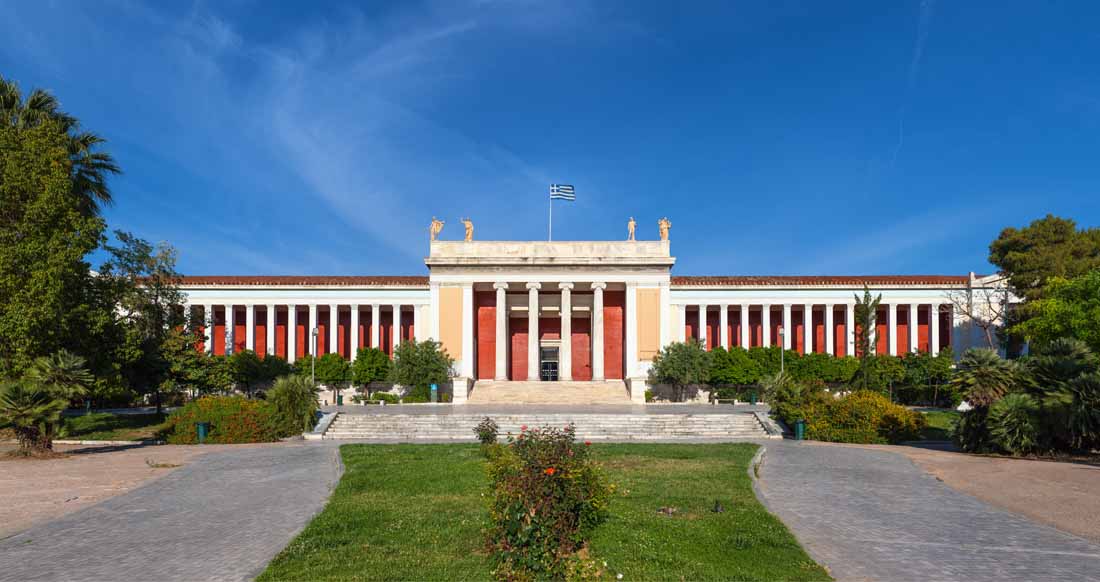
🏛️ National Archaeological Museum of Athens Travel Guide: A Journey Through Ancient Greek Civilization
The National Archaeological Museum in Athens is not just a museum; it is the largest archaeological museum in Greece and one of the most important museums in the world devoted to ancient Greek art. Housing a staggering collection of over 11,000 exhibits, it offers an unparalleled panorama of Greek civilization from the dawn of prehistory (6th millennium BC) through late antiquity (4th century AD). A visit here is an essential journey to understand the ingenuity, artistry, and intellectual achievements of the ancient Greeks.
📍 General Information for Visiting the Museum
- Location: Central Athens, Greece. Located on Patission Avenue (also known as 28is Oktovriou Street).
- Currency: Euro (€).
- Language: Greek (Exhibits have English descriptions; staff generally speak English).
- Country Code: +30 (Greece).
- Best Time to Visit:
- Shoulder Seasons (April-May & September-October): Ideal for pleasant weather in Athens, allowing for comfortable exploration of the museum and the city.
- Early Mornings (opening time) or Late Afternoons: To avoid the largest crowds, especially during peak season. The museum is vast, so allocate sufficient time (minimum 2-3 hours, easily half a day for enthusiasts).
- Opening Hours: Hours vary seasonally and sometimes by day of the week, so it's crucial to check the official museum website (www.namuseum.gr) closer to your visit.
- Summer Season (April 1st - October 31st): Generally Tuesday: 1:00 PM – 8:00 PM; Wednesday-Monday: 8:00 AM – 8:00 PM.
- Winter Season (November 1st - March 31st): Generally Tuesday: 1:00 PM – 8:00 PM; Wednesday-Monday: 8:30 AM – 3:30 PM.
- Closed on: January 1, March 25, Easter Sunday, May 1, December 25-26.
- Entrance Fee:
- High Season (April 1st - October 31st): €12
- Low Season (November 1st - March 31st): €6
- Free Admission: For EU citizens under 25, on specific public holidays (e.g., March 6, April 18, May 18, last weekend of September, October 28), and the first Sunday of each month from November 1st to March 31st.
- How to Get There:
- By Metro: The closest metro stations are Victoria (Green Line 1) or Omonia (Green Line 1 or Red Line 2), both about a 10-minute walk.
- By Bus/Trolleybus: Numerous bus and trolleybus lines stop at the "Politechnio" or "Museum" stops, just a few meters from the museum (e.g., lines 1, 5, 11, 15 trolleybuses; 224, 608, A8 buses).
- On Foot: A pleasant walk (approx. 20-25 minutes) from Syntagma Square, heading north along Panepistimiou Street and then Patission Avenue.
🏛️ History & Significance: Guardians of Greek Heritage
The National Archaeological Museum is not only a repository of treasures but also a historical institution itself:
- Foundation: Established in 1829, it was the first museum founded in the newly independent Greek state. Its current imposing neoclassical building, designed by L. Lange and later completed by Ernst Ziller, opened its doors to the public in 1889.
- Vast Collections: The museum was originally intended to house finds from 19th-century excavations primarily from Athens and Attica but quickly grew to encompass artifacts from all over Greece. Its collections now exceed 20,000 items, showcasing an astonishing panorama of ancient Greek civilization.
- Preservation During War: During WWII, all exhibits were famously buried in the museum's basements, caves, and secret spots to protect them from destruction and looting.
- Research Hub: Beyond its public exhibitions, the museum is a vital research center, with extensive conservation laboratories, a rich photographic archive, and a library used by scholars worldwide.
- Fun Fact: The museum's vast holdings mean that only about half of its entire collection is on permanent display, a testament to the immense archaeological wealth of Greece!
📍 Key Collections & Must-See Exhibits: A Journey Through Time
The museum is organized chronologically and thematically across its vast exhibition space (8,000 m²). Here are some of its most celebrated highlights:
- Prehistoric Collection (6th millennium BC – 1050 BC):
- The Mask of Agamemnon: A golden funerary mask from Mycenae (c. 1550-1500 BC), famously (though controversially) attributed by Heinrich Schliemann to the legendary King Agamemnon.
- Mycenaean Gold Treasures: Exquisite gold artifacts, jewelry, and weaponry from the royal tombs of Mycenae.
- Cycladic Figurines: Mysterious and stylized marble figurines from the Cycladic islands (3rd millennium BC), showcasing early abstract art.
- Thera Frescoes: Vivid wall paintings from the prehistoric settlement of Akrotiri on Santorini (Thera), preserved by volcanic ash, depicting vibrant scenes of nature and daily life (e.g., The Boxers, The Antelopes).
- Sculpture Collection (7th Century BC – 5th Century AD):
- Artemision Bronze: A magnificent larger-than-life bronze statue (c. 460 BC) of either Zeus or Poseidon, caught in a dramatic pose.
- Kouroi & Korai: Impressive marble statues of nude male youths (Kouroi) and draped female maidens (Korai) from the Archaic period, demonstrating the evolution of early Greek sculpture.
- Grave Stele of Hegeso: A beautiful classical gravestone (c. 400 BC) depicting a woman and her servant.
- The Varvakeion Athena: A Roman replica of the colossal chryselephantine (gold and ivory) statue of Athena Parthenos that once stood in the Parthenon.
- Bronze Collection: One of the richest in the world, with unique original works:
- The Jockey of Artemision: A dynamic bronze statue of a young jockey on horseback (c. 140 BC), found in a shipwreck.
- Antikythera Mechanism: An astonishing ancient analog "computer" (c. 100 BC) discovered in a shipwreck, capable of predicting celestial positions and eclipses – a marvel of ancient engineering.
- Vase and Minor Objects Collection: Representative works of ancient Greek ceramics from the Geometric to the Roman periods, showcasing diverse artistic styles and daily life.
- Egyptian and Near Eastern Antiquities Collection: A unique collection for Greece, featuring artifacts from ancient Egypt (mummies, statues) and the Near East.
- Tip: Given the museum's size, prioritize the collections that interest you most. You can also focus on the "Highlights" marked by the museum. An audio guide can be very helpful.
🏛️ Highlights & Activities: Making the Most of Your Visit
- Plan Your Route: The museum is huge. Decide which collections are your priority before you start, or opt for a guided tour.
- Focus on the Masterpieces: Don't try to see everything. Dedicate time to the iconic pieces like the Mask of Agamemnon, the Artemision Bronze, and the Antikythera Mechanism.
- Guided Tour: Consider hiring a licensed tour guide or joining a small group tour. Their expertise can provide invaluable context and highlight key details you might otherwise miss.
- Combine with Acropolis Museum: For a comprehensive understanding of Athenian archaeology, pair your visit to the National Archaeological Museum with the Acropolis Museum. While the Acropolis Museum focuses solely on the Acropolis finds, the National Museum broadens the scope to all of Greece.
- Café & Shop: The museum has a café for refreshments and a well-stocked museum shop for books, replicas, and souvenirs.
- Photography: Photography is generally allowed for personal use without flash.
🍽️ Nearby Food & Dining: Exploring Athenian Flavors
The museum is located in a central area of Athens with various dining options:
- Exarchia Neighborhood: The area immediately surrounding the museum (Exarchia) is known for its bohemian vibe, student population, and numerous casual tavernas, cafes, and bars offering affordable and authentic Greek food.
- Omonia Square Area: A bustling, more commercial area with a wide range of eateries, from quick bites to more formal restaurants.
- Plaka & Monastiraki: A slightly longer walk or short metro/taxi ride away, these charming old neighborhoods offer countless traditional tavernas, tourist-friendly restaurants, and rooftop bars with Acropolis views.
- Must-Try: Enjoy classic Greek dishes, fresh salads, and local pastries.
🛍️ Shopping & Local Products: Memories of Ancient Greece
Shopping opportunities are available within and around the museum:
- Museum Shop: Offers high-quality replicas of artifacts, art books, educational materials, and unique gifts.
- Local Shops: Explore the surrounding streets for souvenir shops selling traditional Greek items, handicrafts, and local food products.
- Athens City Center: For more extensive shopping, head to Tsimiski Street (fashion), Ermou Street (commercial), or the markets in Monastiraki for a wider variety.
🌿 Hidden Gems & Local Experiences: Beyond the Exhibits
- Polytechnic University: The historic National Technical University of Athens (Polytechnio) is located just across the street, known for its architectural beauty and historical significance in modern Greek history.
- Exarchia Square: Explore the vibrant and sometimes edgy Exarchia neighborhood, known for its alternative culture, street art, and lively cafes.
- Strefi Hill: A small park and hill offering pleasant walks and decent views of the city, not far from the museum.
🌍 Sustainable Tourism: Respecting Cultural Heritage
- Respect Exhibits: Do not touch the artifacts, maintain a respectful distance, and follow any specific guidelines for certain rooms or displays.
- Silence & Courtesy: Maintain a quiet voice within the galleries to ensure a pleasant experience for all visitors.
- Dispose of Waste Properly: Use designated bins within the museum and surrounding areas.
- Support Museum Initiatives: Your ticket purchase directly contributes to the preservation and research of Greece's invaluable archaeological heritage.
🌟 Practical Tips for Travelers
- Comfortable Shoes: Essential for exploring the vast museum halls.
- Hydration: While there's a cafe, bring a water bottle to stay hydrated.
- Accessibility: The museum is wheelchair accessible, with ramps and lifts.
- Backpacks: Large backpacks may need to be checked in at the cloakroom.
- Allow Time: This museum is immense. Don't rush your visit. Prioritize what you want to see if your time is limited.

 21°C
21°C


