
🏝️ Ikaria Travel Guide: The Island of Longevity and Authentic Living
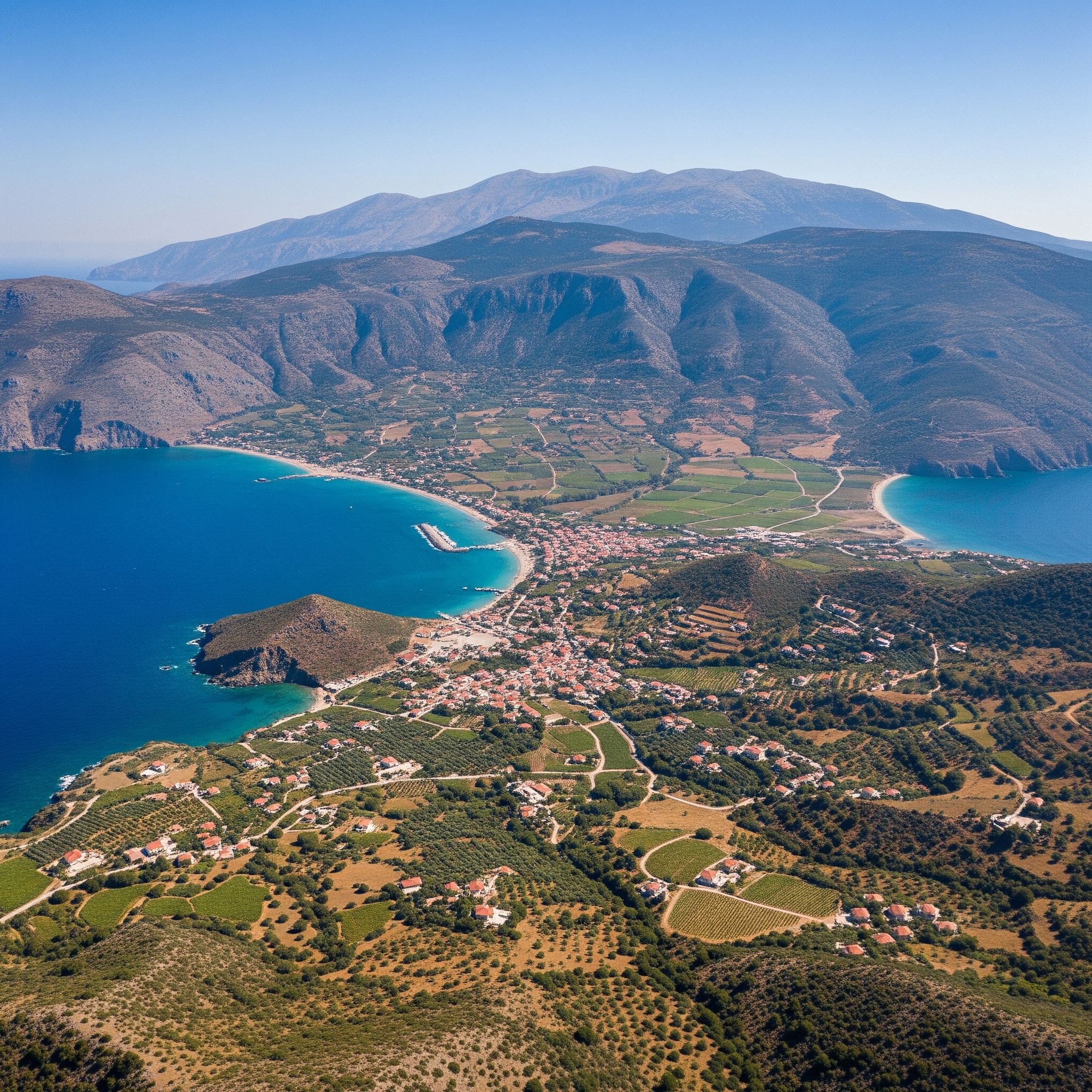
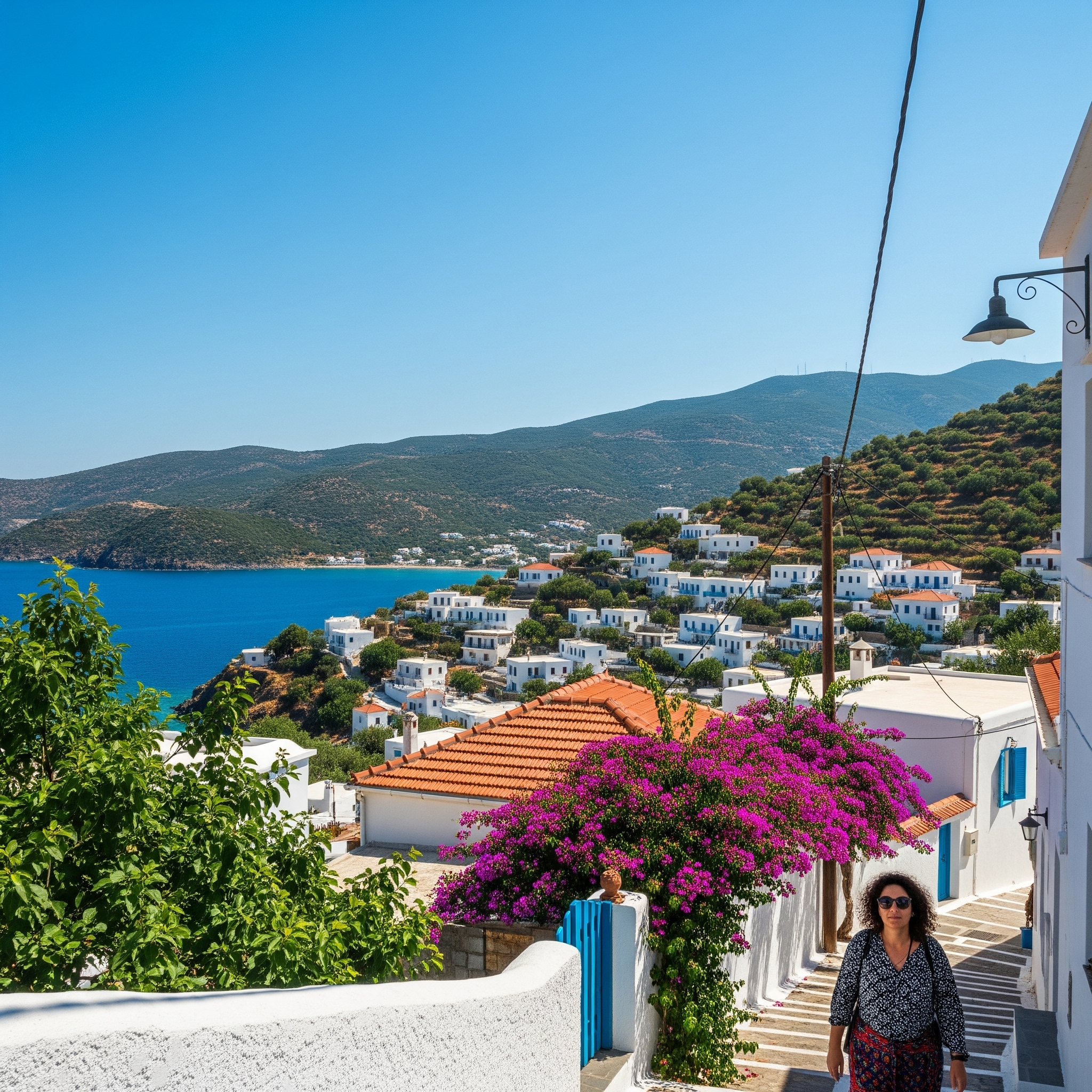
Ikaria, an island shrouded in mystique and celebrated as one of the world's five Blue Zones, offers a truly unique Greek experience. Here, time seems to slow down, encouraging a lifestyle of strong community bonds, healthy eating, and a relaxed pace. Known for its wild beauty, therapeutic hot springs, vibrant traditional festivals (panigiria), and a population famous for its longevity, Ikaria invites you to discover its authentic charm, rugged landscapes, and the secret to a long, happy life.
📍 General Information for Ikaria
- Capital: Agios Kirykos, the main port town.
- Currency: Euro (€).
- Language: Greek (English is understood in tourist areas, but less universally than on more mainstream islands).
- Country Code: +30 (Greece).
- Best Time to Visit: July and August for the famous panigiria and lively atmosphere, though it's also the busiest. June and September offer excellent weather for swimming and exploring with fewer crowds.
- How to Get There:
- By flight to Ikaria National Airport (JIK) from Athens (approx. 50 minutes).
- By ferry from Piraeus port in Athens (6-10 hours, often an overnight trip), or from other islands in the East Aegean and Cyclades (e.g., Samos, Mykonos, Syros).
🏛️ History & Mythology: Birthplace of Icarus and Ancient Wisdom
Ikaria's name and identity are deeply rooted in ancient mythology and a long, resilient history:
- Mythology: The island takes its name from Icarus, son of Daedalus, who, according to myth, fell into the surrounding sea (now called the Icarian Sea) after flying too close to the sun.
- Ancient Period: Archaeological findings indicate human presence since the Neolithic era. The island was home to ancient cities like Oinoe and Thermae (famous for its hot springs).
- Roman & Byzantine Eras: Ikaria was part of the Roman and later the Byzantine empires, often facing pirate raids due to its strategic position.
- Ottoman Rule: Under Ottoman rule for centuries, the island developed a unique, self-sufficient culture and an anarchic spirit, often rebelling against central authority.
- Modern History: After a brief period of independence as the "Free State of Ikaria" in 1912, it eventually united with Greece.
- Fun Fact: Ikarians famously reject conventional time, often running on "Ikarian time" – everything happens when it happens, a key component of their relaxed, longevity-boosting lifestyle!
📍 Top Villages & Areas: Discover Ikaria's Wild Charm
Explore the diverse landscapes and unique settlements of Ikaria:
- Agios Kirykos: The capital and main port, a charming town with neoclassical buildings, narrow streets, and traditional tavernas. It's the gateway to the island and home to several therapeutic hot springs.
- Evdilos: The island's second port, located on the north side. It's a picturesque village with a more traditional feel, colorful houses, and a relaxed pace, serving as a gateway to the northern villages and beaches.
- Christos Raches: A unique mountain village in the center of the island, famous for its "late-night" schedule where shops open in the late afternoon and close after midnight. It's a hub for socializing and enjoying authentic Ikarian life.
- Magganitis: A traditional village nestled in lush greenery on the north coast, offering stunning views and access to beautiful, secluded beaches.
- Gialiskari: A small, lively fishing village on the north coast, known for its picturesque harbor, fresh fish tavernas, and proximity to popular beaches like Mesakti and Livadi.
- Therma / Therma Lefkados: Known for their natural radioactive hot springs, famous for their therapeutic properties. They are located near Agios Kirykos and offer spa facilities.
- Tip: Rent a car to fully explore Ikaria. The island is large, mountainous, and its roads, though improved, can be winding and challenging. Public transport is limited, making a car essential for reaching hidden gems.
🏖️ Best Beaches of Ikaria: Wild Beauty and Crystal Waters
Ikaria's beaches are known for their natural, untamed beauty and crystal-clear waters:
- Seychelles Beach (Paralia Seychelles): A breathtaking, exotic beach on the southwest coast, famous for its white pebbles, turquoise waters, and unique rock formations created by a landslide. Accessible by a short hike or boat.
- Mesakti Beach: A long, beautiful sandy beach on the north coast, popular with surfers due to its waves but also suitable for swimming. It's semi-organized with a beach bar and sunbeds.
- Livadi Beach: Located next to Mesakti, it's a sandy beach with clearer waters and fewer waves, making it more family-friendly. It also has amenities like tavernas and a beach bar.
- Nas Beach: A picturesque small beach at the mouth of a gorge on the northwest coast, known for its unique natural beauty, a small river, and the ruins of an ancient Temple of Artemis. Popular for sunsets and a relaxed vibe.
- Ikarian Surf School (Pezi Beach): Ideal for those looking to learn or practice surfing, particularly on the north coast.
- Drakano Beach: A quieter, pebbly beach on the east coast near the ancient tower of Drakano, offering calm waters and a peaceful atmosphere.
- Tip: Many of Ikaria's most beautiful beaches are exposed to the wind or require a short hike. Always bring water, snacks, and good sun protection.
🏛️ Attractions & Activities: Longevity Secrets and Natural Wonders
Ikaria offers a unique blend of cultural experiences, natural exploration, and ancient sites:
- Ancient Dracanum (Drakano Tower) (📍 Google Maps): The remains of an ancient Hellenistic watchtower on the east coast, offering panoramic views of the Icarian Sea.
- Archaeological Museum of Agios Kirykos (📍 Google Maps): Houses artifacts from the island's long history, including pottery, sculptures, and tools.
- The Hot Springs of Therma: Visit the therapeutic radioactive hot springs in Therma, Therma Lefkados, and Agios Kirykos, known for their healing properties. Many have public or private facilities.
- Monastery of Theoktisti: A beautiful 17th-century monastery nestled in a lush, wooded area near the village of Kampos, with a unique small chapel built into a rock.
- "The Square" (Raches): Experience the unique lifestyle of Christos Raches, where shops open late and locals gather for conversation and social interaction.
Activities:
- Hiking: Explore the island's extensive network of marked trails, winding through gorges, ancient forests, and leading to secluded beaches and traditional villages. The "Raches Trail" is particularly popular.
- Panigiria (Traditional Festivals): Experience the heart of Ikarian culture by attending a panigiri, especially in July and August. These all-night celebrations feature traditional music, dancing, copious food, and local wine – a truly unforgettable experience.
- Surfing: Take lessons or rent equipment at Mesakti Beach or Pezi Beach on the north coast.
- Yoga & Wellness Retreats: Due to its "Blue Zone" status, Ikaria is gaining popularity for wellness and mindful living retreats.
- Boat Trips: Explore secluded coves and sea caves along the coastline, or take a trip to nearby smaller islands.
🌙 Nightlife & Entertainment: Panigiria and Laid-Back Evenings
Ikaria's nightlife is distinct, centered around its unique panigiria and relaxed village gatherings:
- Panigiria: These are the island's main form of entertainment, especially during summer. They are all-night outdoor parties in villages or monasteries, featuring traditional Ikarian music (especially the "Ikariotikos" dance), plentiful food (goat meat is a staple), and local wine. Check local posters or ask around for dates.
- Christos Raches: The village that comes alive after sunset, with cafes and bars opening late into the night, offering a unique social experience.
- Agios Kirykos & Evdilos: Offer charming waterfront tavernas and a few low-key bars for relaxed evenings with drinks and conversation.
- Beach Bars: Some organized beaches like Mesakti and Livadi might have relaxed beach bars that stay open until late.
- Tip: If you visit in July or August, prioritize attending a panigiri. It's an immersive cultural experience that embodies the Ikarian spirit. Prepare to stay up all night!
🍽️ Food & Local Cuisine: The Longevity Diet in Action
Ikarian cuisine is simple, fresh, and plays a crucial role in the island's longevity:
- Must-Try Dishes: Katsikaki (goat meat), often slow-cooked or grilled, Soufiko (a vegetable stew with eggplant, potatoes, and tomatoes), Pita (savory pies with wild greens or local cheese), fresh seafood, and the famous Ikarian honey.
- Local Produce: Savor the island's organic vegetables, wild greens (horta), and high-quality olive oil.
- Ikarian Wine: Try the strong, dark local wine, often home-produced, which is consumed in moderation and believed to contribute to health.
- Traditional Tavernas: Seek out family-run tavernas in the villages for authentic, home-cooked meals.
- Tip: Embrace the "Blue Zone" diet – lots of vegetables, legumes, whole grains, a little fish, and local wine in moderation. Ask locals for recommendations for the best traditional food.
🛍️ Shopping & Local Products: Authentic Treasures
Shopping on Ikaria is about finding authentic, locally produced items:
- Ikarian Honey: Renowned for its quality and therapeutic properties, especially thyme honey.
- Local Wine: Purchase bottles of the island's unique strong, local wine.
- Herbs & Olive Oil: Find wild herbs, olive oil, and natural cosmetic products.
- Handicrafts: Look for simple handmade pottery, textiles, and traditional souvenirs.
- Hot Spot: Shops in Agios Kirykos and Evdilos offer a selection of local products. In Christos Raches, you might find unique artisan crafts opening late.
🌿 Hidden Gems & Local Experiences: Unveiling Ikaria's Secrets
- The Castle of Koskina: The ruins of a Byzantine castle offering incredible views, located near the village of Koskina.
- Monastery of Mundé: A beautiful and secluded monastery with a rich history, offering a peaceful retreat and stunning views.
- The Anti-Pirate Houses of Karkinagri: Explore the fascinating, almost invisible stone houses built into the landscape to hide from pirates.
- Hike to a Remote Beach: Discover one of Ikaria's untouched coves, accessible only by foot, for a truly private swimming experience.
- Connect with Locals: Strike up conversations with Ikarians – their hospitality and wisdom are legendary.
🌍 Sustainable Tourism: Living the Ikarian Way
- Embrace the Pace: Adopt "Ikarian time" – be patient, don't rush, and appreciate the slower rhythm of life.
- Support Local Economy: Choose family-run guesthouses, tavernas, and buy local products directly from producers.
- Conserve Resources: Water is precious. Be mindful of your water and energy consumption.
- Respect Nature: Stick to marked trails, dispose of waste properly, and do not disturb the island's wild beauty.
- Participate Respectfully: If attending a panigiri, join in the dancing and enjoy the celebration, but respect local traditions.
🌟 Practical Tips for Travelers
- Transportation: A rental car is highly recommended for exploring Ikaria, due to the island's size and terrain. Book well in advance.
- Accommodation: Ikaria offers a range of guesthouses, apartments, and small hotels. Book early, especially if visiting during the panigiri season.
- "Ikarian Time": Be prepared for a very relaxed schedule. Buses may not always run on time, and shops may open later than expected. Embrace it!
- Rough Seas: The Icarian Sea can be choppy, especially in August due to strong winds (meltemi). Ferry delays or cancellations can occur.
- Authenticity: Ikaria is not a polished tourist destination. Its charm lies in its authenticity, ruggedness, and unique way of life. Be open to a different kind of Greek island experience.

 25°C
25°C


