
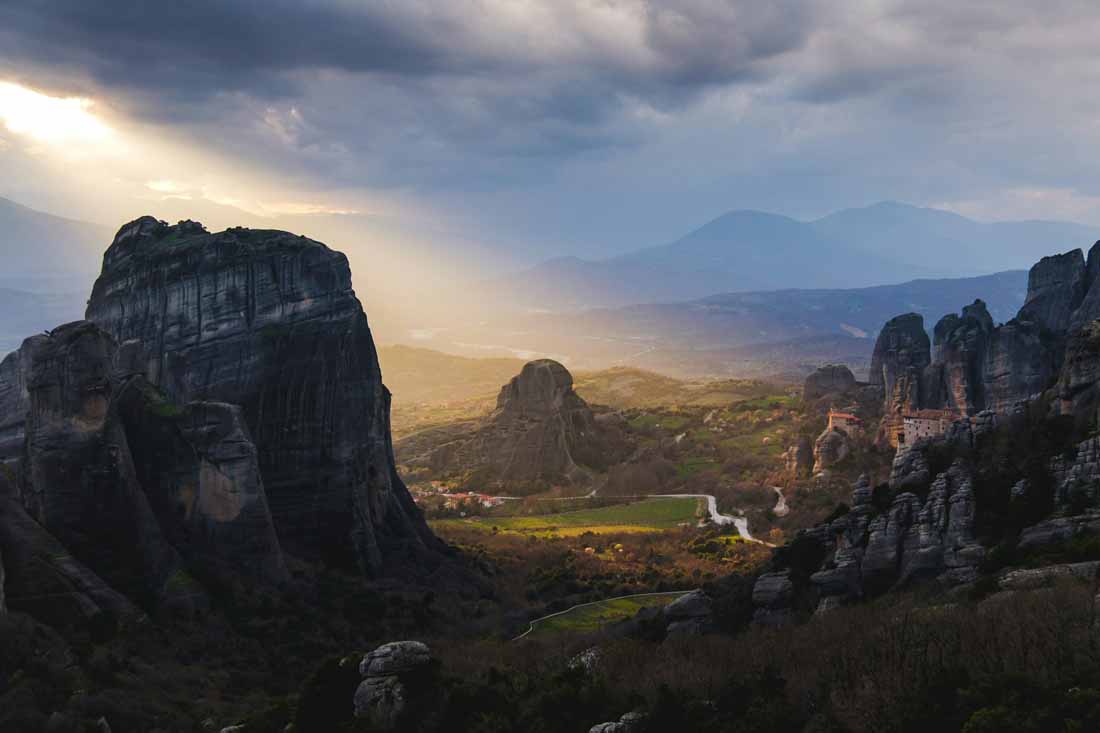
⛰️ Meteora Travel Guide: Monasteries in the Sky
Meteora, a UNESCO World Heritage site in central Greece, presents an awe-inspiring landscape unlike any other. Gigantic sandstone pillars, sculpted by nature over millions of years, rise dramatically from the plain, their towering peaks crowned by ancient monasteries that seem to defy gravity. This spiritual and geological marvel offers visitors a profound sense of awe, a glimpse into centuries of monastic life, and breathtaking panoramic views. If you seek a unique blend of natural wonder, spiritual serenity, and historical depth, Meteora is an unforgettable destination.
📍 General Information for Visiting Meteora
- Location: Thessaly region, mainland Greece, near the town of Kalabaka (Kalammbaka) and the village of Kastraki.
- Currency: Euro (€).
- Language: Greek (English is widely spoken in tourist areas and monasteries).
- Country Code: +30 (Greece).
- Best Time to Visit:
- Spring (April-May) & Autumn (September-October): Ideal for pleasant weather, vibrant greenery, stunning light for photography, and fewer crowds than peak summer.
- Early Mornings (opening time) or Late Afternoons (before closing): Best to experience the monasteries with fewer visitors and enjoy the magical light.
- Avoid Midday in Summer (July-August): Can be very hot and crowded, making climbs uncomfortable.
- How to Get There:
- By Car: The easiest way to explore Meteora. Kalabaka is about a 4-hour drive from Athens and 2.5 hours from Thessaloniki.
- By Train: Direct trains run from Athens (Larissa Station) to Kalabaka (approx. 4-5 hours). From Thessaloniki, direct trains are also available. This is a scenic and convenient option.
- By Bus: Buses (KTEL) connect Kalabaka to major Greek cities, though usually with a transfer in Trikala.
🏛️ History & Spirituality: A Monastic Retreat in the Clouds
Meteora's history is deeply rooted in its unique geology and monastic tradition:
- Geological Formation: The towering rock formations were created by geological shifts and erosion over millions of years, forming a landscape of immense natural beauty.
- Early Ascetics (11th Century onwards): Hermit monks were the first to settle in the caves and fissures of the rocks, seeking solitude and spiritual devotion.
- Monastic Golden Age (14th-16th Centuries): As the region faced increasing instability, more monks sought refuge on the inaccessible peaks. Twenty-four monasteries were eventually built, creating a thriving monastic community. Access was initially by perilous rope ladders or nets, pulled up by hand.
- Decline & Preservation: Over centuries, many monasteries fell into disuse. Today, only six monasteries remain active and are open to visitors, carefully preserved and restored as UNESCO World Heritage sites.
- Fun Fact: The name "Meteora" comes from the Greek word meteoros, meaning "suspended in the air" or "in the heavens," perfectly describing the monasteries' breathtaking perch!
📍 Key Monasteries & Viewpoints: Exploring the Sky-High Sanctuaries
There are six active monasteries open to the public, each with its own unique charm and history. It's recommended to visit at least two or three to get a good feel for the complex.
- Great Meteoron Monastery (Metamorfosis tou Sotiros): The largest and oldest monastery, perched on the highest rock. It offers impressive frescoes, a rich museum, and panoramic views.
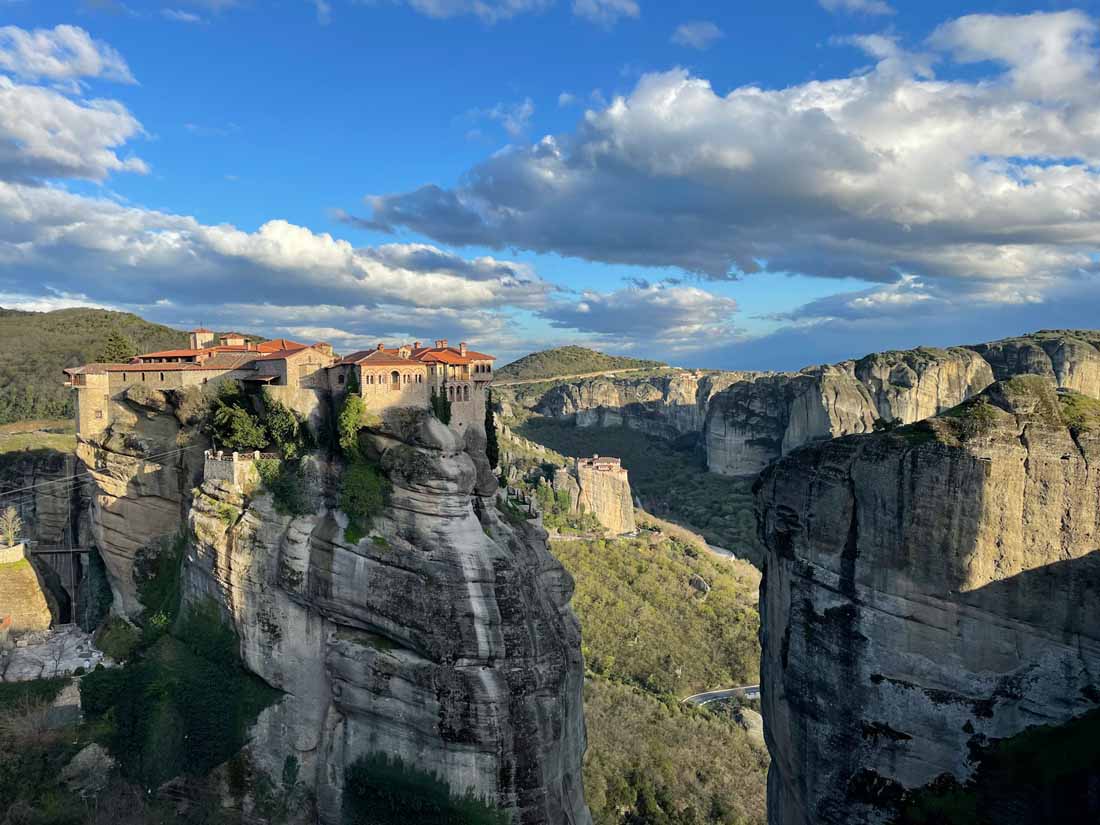
- Varlaam Monastery: The second largest, easily recognizable. Known for its beautiful frescoes, a preserved old wine press, and a fascinating net-pulling mechanism that was once used to bring up supplies.
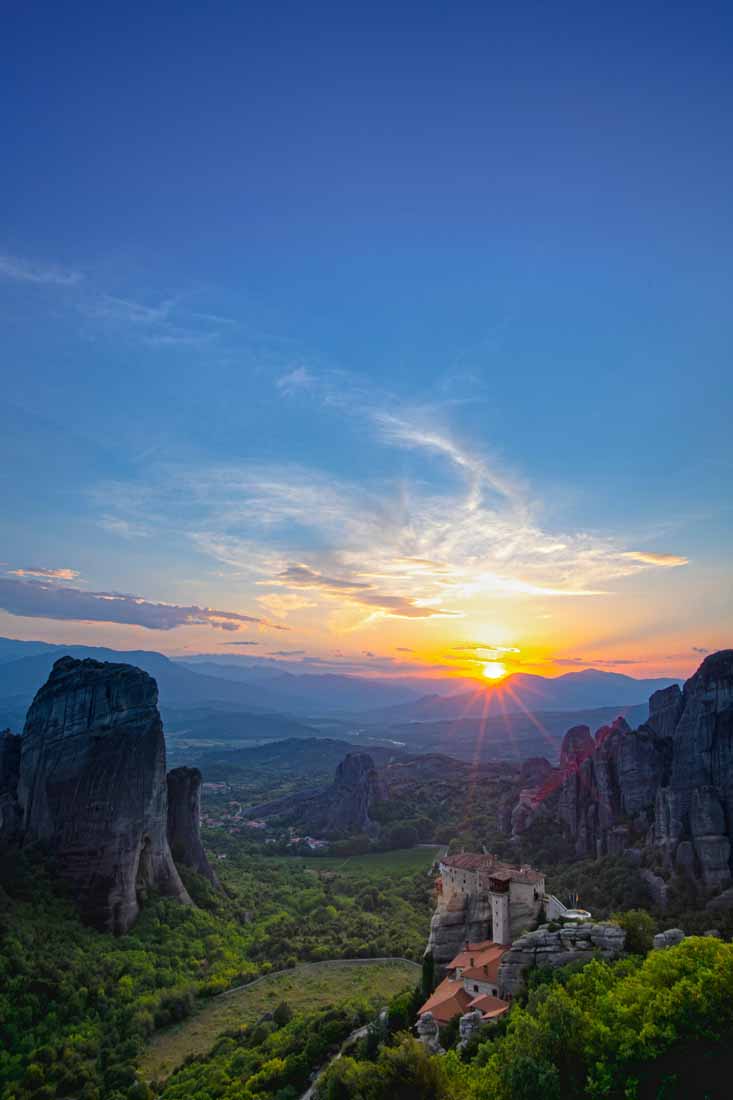
- Rousanou Monastery: One of the most picturesque, built on a lower, slender rock, making it appear almost integrated with the cliff face. It is unique for its all-female monastic community.
- Agios Stefanos Monastery: Easily accessible via a small bridge (no steps to climb), making it suitable for all visitors. It offers a large courtyard, a beautiful church, and magnificent views of the plain. It also has an all-female community.
- Agia Triada (Holy Trinity) Monastery: Perhaps the most dramatically situated, often featured in photos (and a James Bond movie!). Requires a climb up many steps, but rewards with spectacular views.
- Agios Nikolaos Anapafsas Monastery: A smaller monastery with a unique multi-level design due to its limited rock space. Known for its beautiful frescoes by the famous Cretan painter Theophanes.
- Viewpoints: Numerous designated viewpoints along the main road offer breathtaking panoramic shots of the entire Meteora complex. The most famous is often simply called "The Viewpoint" or "Sunset Rock."
- Tip: Check the opening hours for each monastery before your visit, as they vary and close on different days of the week. Dress modestly: shoulders and knees must be covered for both men and women. Skirts are often provided at the entrance for women.
🏛️ Highlights & Activities: Beyond the Monasteries
Meteora offers more than just religious sites, with stunning natural beauty to explore:
- Sunset Viewing: Witnessing the sunset over Meteora is a magical experience. The rocks glow with warm hues, creating an ethereal atmosphere. Popular spots include the main viewpoints along the road between Kalabaka and Kastraki.
- Hiking & Walking: Explore the ancient footpaths that wind through the rock formations, connecting monasteries and offering unique perspectives. Guided hiking tours are available.
- Rock Climbing: For adventurous visitors, Meteora is a world-renowned rock climbing destination, offering challenging routes on its unique sandstone pillars (only with certified guides).
- Photography: The landscape of Meteora is a photographer's dream. Capture the monasteries from various angles, especially during sunrise, sunset, or cloudy conditions.
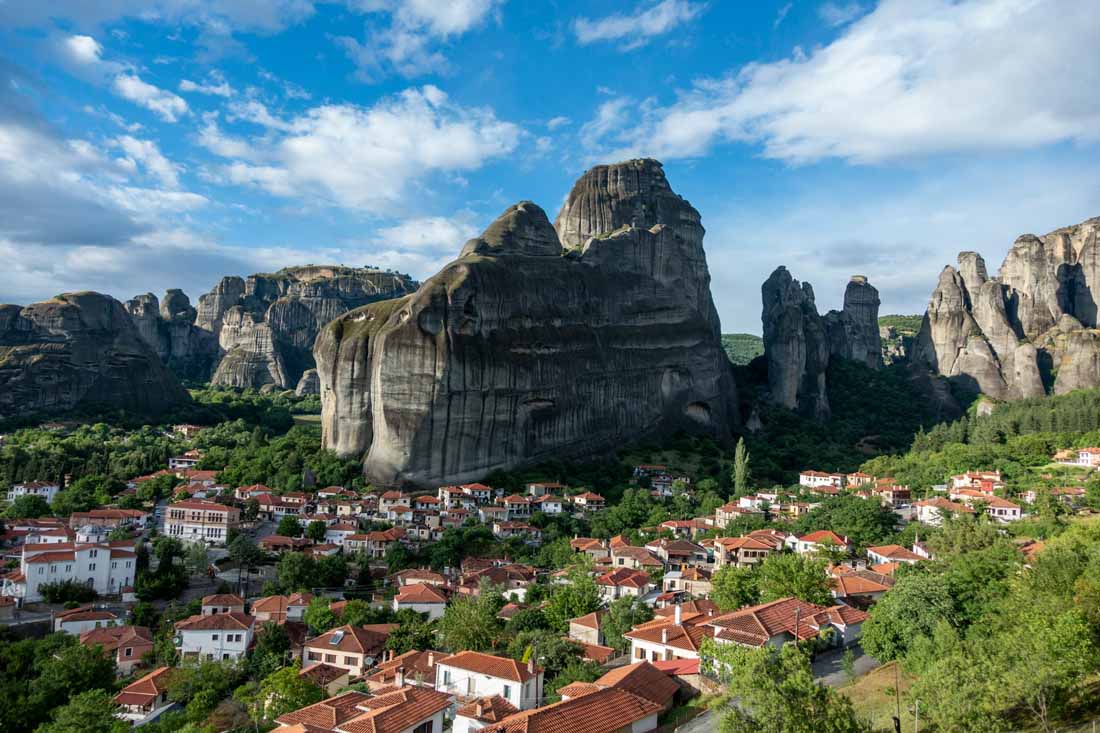
- Kalabaka & Kastraki Towns: Explore the charming towns at the foot of the rocks. Kalabaka offers more amenities (hotels, restaurants, shops), while Kastraki provides a more traditional, quiet village atmosphere.
- Natural History Museum of Meteora & Mushroom Museum: Located in Kalabaka, this unique museum showcases the flora and fauna of the region, with a special focus on mushrooms, offering an interesting alternative activity.
🍽️ Food & Local Cuisine: Tastes of Thessaly
The region around Meteora offers hearty Greek cuisine, typical of mainland Greece:
- Must-Try Dishes: Soutzoukakia (spicy meatballs in tomato sauce), Moussaka, Pastitsio, various grilled meats (lamb, pork, chicken), and local cheeses.
- Local Produce: Try the delicious local Tsipouro (a strong pomace brandy), excellent wines from nearby vineyards (e.g., Kotsifali, Limniona varieties), and locally sourced honey.
- Traditional Tavernas: You'll find numerous traditional tavernas in Kalabaka and Kastraki offering authentic Greek dishes. Many specialize in grilled meats.
- Tip: After a day of exploring, relax at a local taverna in Kalabaka or Kastraki and enjoy a hearty meal with views of the illuminated rocks.
🛍️ Shopping & Local Products: Souvenirs and Religious Items
Shopping in Meteora is primarily focused on religious items, local products, and souvenirs:
- Religious Icons & Souvenirs: Monasteries often have small shops selling icons, religious artifacts, handmade crafts, and books.
- Local Products: Purchase local honey, wine, Tsipouro, traditional sweets, and herbs.
- Handicrafts: Look for locally made ceramics and olive wood products.
- Hot Spot: The main streets of Kalabaka and the small shops in Kastraki offer a good selection of souvenirs and local products.
🌿 Hidden Gems & Local Experiences: Beyond the Beaten Path
- Hermit Caves of Badovas: Discover the old hermitage caves and small monastic cells carved directly into the rocks, offering a glimpse into the lives of early ascetics (accessible by local guides).
- The Dragon's Cave (Limni Plastira): A bit further afield (approx. 1.5 hours drive), but a stunning lake and area perfect for nature lovers, offering hiking, kayaking, and a different side of Thessaly.
- Meteora Geological Path: Follow specific routes designed to showcase the unique geological formations and history of the rocks.
- Traditional Workshops: Look for small workshops in Kastraki where local artisans might still practice traditional crafts.
🌍 Sustainable Tourism: Respecting a Sacred Landscape
- Respect Monastic Rules: Adhere to the dress code, maintain silence within the monasteries, and respect the monks' way of life.
- Stay on Marked Paths: This is crucial to protect the fragile environment and ensure your safety.
- No Littering: Preserve the natural beauty by disposing of all waste properly.
- Support Local Economy: Choose local guesthouses, tavernas, and buy products directly from local producers.
- Manage Your Visit Times: Visiting during off-peak hours or seasons helps reduce overcrowding and stress on the infrastructure.
🌟 Practical Tips for Travelers
- Dress Code: Mandatory for monastery entry. Shoulders and knees must be covered for both men and women. Skirts are often provided at monastery entrances for women.
- Comfortable Shoes: Wear sturdy, comfortable shoes suitable for walking and climbing steps.
- Hydration: Bring plenty of water, especially during hot months, as there are limited facilities on the rocks.
- Photography: Be mindful of monastery rules regarding photography, especially inside churches (often prohibited).
- Tickets: Each monastery has a small entrance fee (usually a few euros). Keep small denominations handy.
- Visit Duration: Allow at least one full day, or preferably two, to explore the monasteries and surrounding area without rushing.

 31°C
31°C


