
🏺 Akrotiri Santorini Travel Guide: Unveiling a Buried Minoan City
The Akrotiri Archaeological Site in Santorini, often dubbed the "Pompeii of the Aegean," stands as a remarkable testament to the sophisticated Minoan Civilization. Buried for millennia under layers of volcanic ash from the colossal eruption of the 17th century BC, this preserved prehistoric city invites visitors to journey back in time and explore a vibrant, advanced society. More than just ruins, it's a living testament to human ingenuity and artistic achievement, offering unparalleled historical depth and breathtaking natural beauty, including the nearby Red Beach and a captivating archaeological museum.
📍 General Information for Visiting Akrotiri
Location: Santorini, Greece. The archaeological site is located on the southwestern tip of the island, near the modern village of Akrotiri. Red Beach is a short distance from the site. Currency: Euro (€). Language: Greek (English is widely spoken, especially at the site and in tourist areas). Country Code: +30 (Greece). Best Time to Visit:
- Shoulder Seasons (April-May & September-October): Ideal for pleasant weather, fewer crowds, and comfortable exploration.
- Early Mornings (opening time) or Late Afternoons (2 hours before closing): Best to avoid peak crowds and the harshest sun, especially during summer.
- Avoid Midday (11 AM - 3 PM) in Summer: Can be extremely hot and crowded, particularly at the outdoor Red Beach. How to Get There: Easily accessible by local bus from Fira (Santorini's capital), taxi, or rental car/ATV. There's ample parking near the archaeological site. Many organized tours also include Akrotiri.
📜 History & Mythology: A Flourishing Bronze Age Metropolis
Akrotiri's story is one of a thriving civilization brought to an abrupt, yet preserving, halt:
- Mythology: While not linked to specific gods like the Acropolis of Athens, Akrotiri's significance has led some to associate it with the myth of the lost Atlantis, due to its advanced civilization and sudden disappearance under volcanic ash.
- Early Settlement: Continuously inhabited since the Neolithic period, Akrotiri developed into one of the most important Minoan urban centers in the Aegean by the 17th century BC.
- Golden Age of Akrotiri (Bronze Age): The city was part of the wider Minoan cultural sphere, characterized by advanced architecture, sophisticated drainage systems, vibrant frescoes, and extensive trade networks. It featured multi-story buildings, public squares, and workshops.
- Catastrophic Eruption (circa 1627 BC): Unlike Pompeii, there's no evidence of human remains, suggesting inhabitants had time to evacuate before the catastrophic eruption of the Thera volcano. The volcanic ash perfectly preserved the city, like a time capsule.
- Restoration & Discovery: The first significant excavations began in 1967 under the direction of Professor Spyridon Marinatos, revealing the astonishingly well-preserved city. Extensive conservation efforts ensure the site's ongoing protection.
Fun Fact: The entire archaeological site is protected by a modern bioclimatic shelter, making it comfortable to explore even on hot summer days!
🏛️ Key Structures & Areas: Exploring the Buried City & Its Surroundings
Each part of Akrotiri and its surroundings offers a unique glimpse into its past and present beauty:
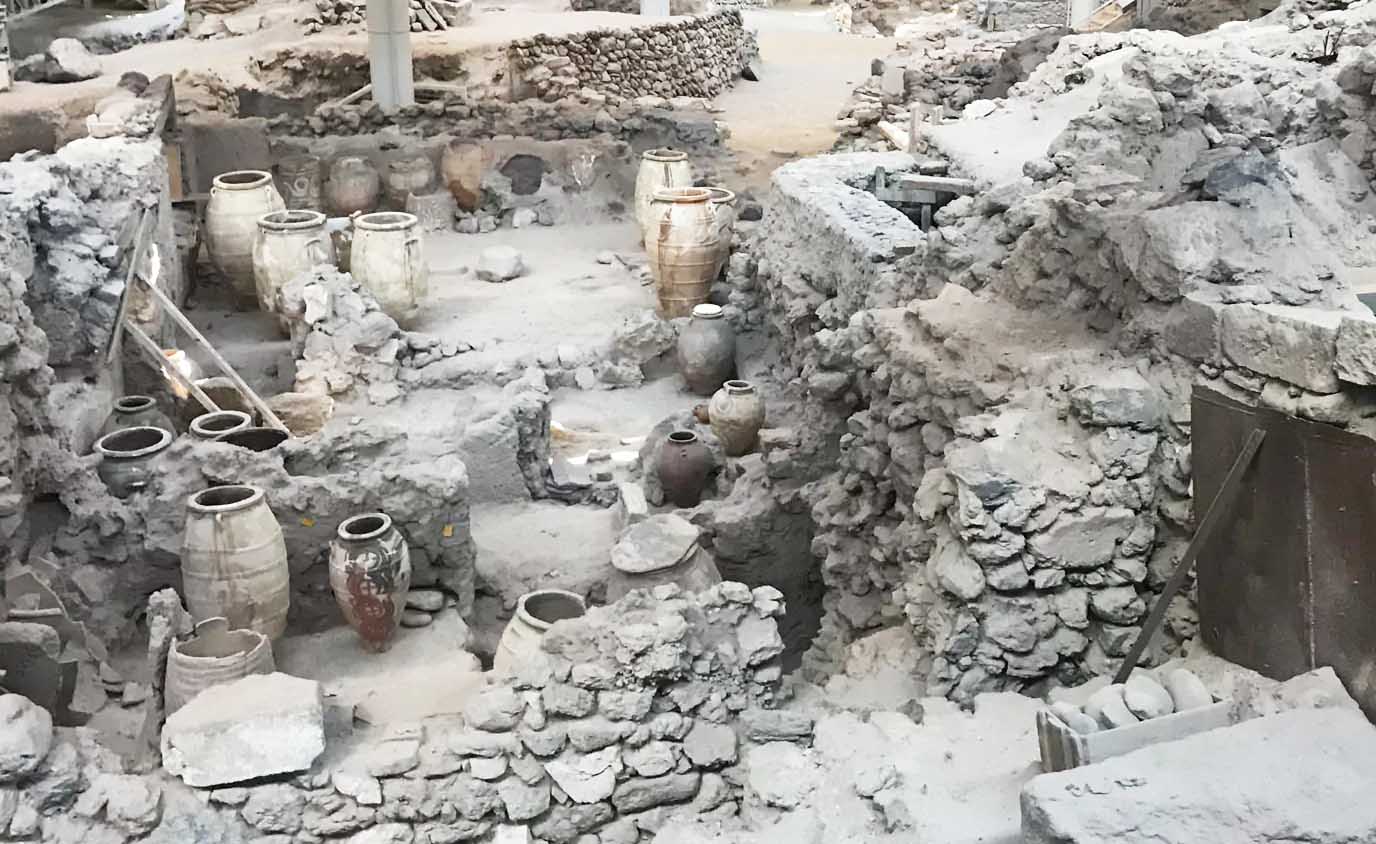
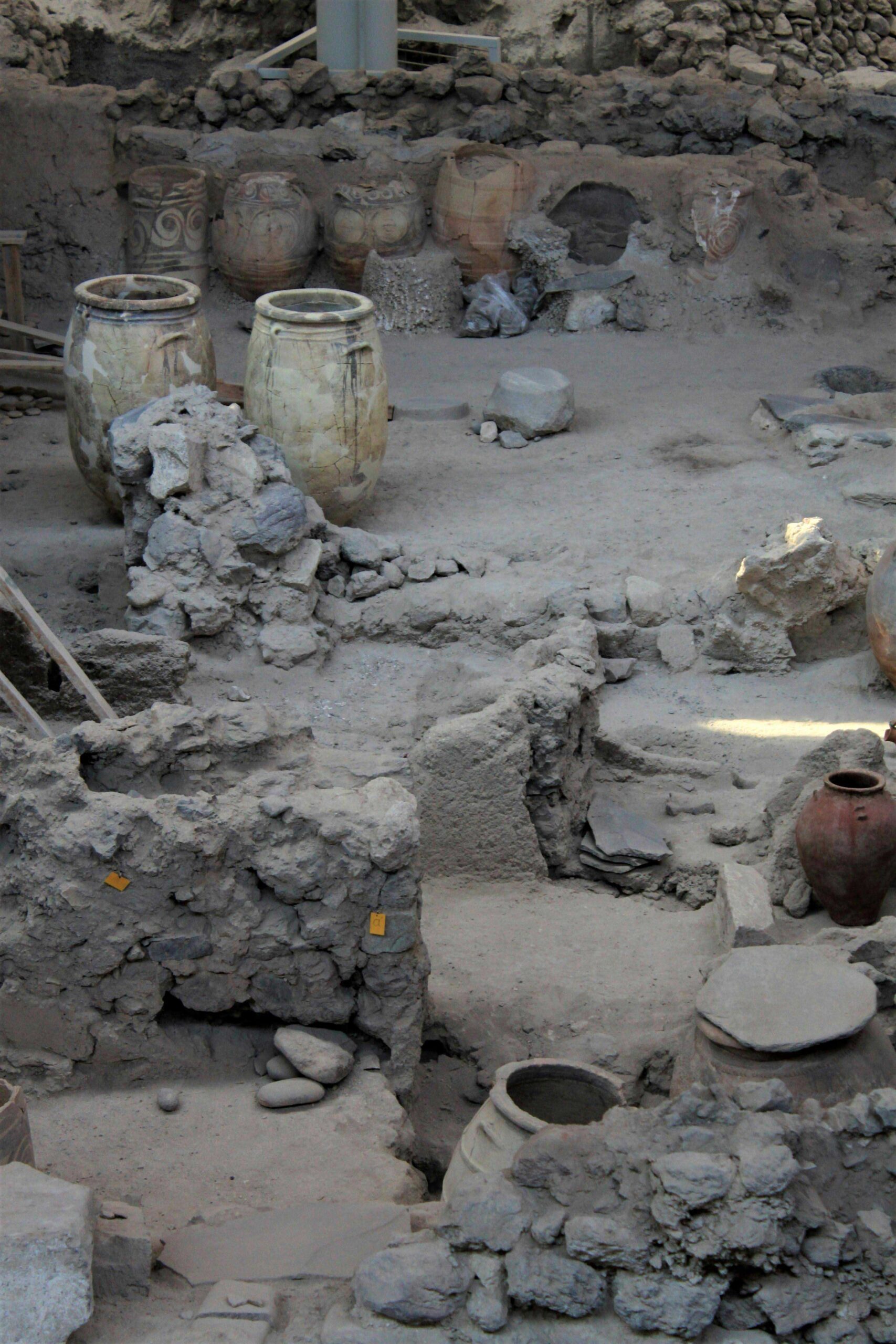
- Archaeological Site of Akrotiri: The main attraction. Visitors walk on elevated walkways above ancient streets, observing multi-story buildings, storage jars (pithoi), drainage systems, and in situ artifacts. Look for the "House of the Ladies" and the "West House" for their famous frescoes (replicas are often on display here, with originals in the museum).
- The Triangular Square: A central public space within the excavated city, suggesting social gatherings and civic life.
- Xeste 3: A large, multi-story building featuring some of Akrotiri's most impressive frescoes, including the "Adorants" and "Fishing Fleet" frescoes, many of which are now housed in the museum.
- Akrotiri Lighthouse: Located at the southernmost tip of Santorini, this picturesque lighthouse offers breathtaking panoramic views, especially at sunset, and is a short drive from the archaeological site.
- Red Beach: One of Santorini's most famous and striking beaches, characterized by its unique red volcanic sand and towering red cliffs. Due to recent seismic activity and rockfalls, land access has been permanently closed and is considered extremely dangerous. Furthermore, approaching and staying on the beach itself is now prohibited. Visitors can admire it only from the sea, by boat.
- Archaeological Museum of Thera: Located in Fira, Santorini's capital, this modern museum houses many of the most significant artifacts and original frescoes from Akrotiri, including the "Blue Monkeys" and "Spring Fresco." It's an essential complement to visiting the site itself.
Tip: Wear comfortable, non-slip shoes for walking around the archaeological site. For Red Beach, remember that land access is strictly prohibited and dangerous. Views are only possible from the sea by boat, with no disembarkation allowed due to rockfall risk. Bring water and sunscreen, especially for outdoor areas.
✨ Highlights & Experiences: Immerse Yourself in Antiquity and Natural Beauty
Beyond simply observing, there are ways to deepen your experience:
- Explore the Archaeological Site: Take your time walking through the ancient streets under the protective shelter, imagining life in this Bronze Age city.
- Visit the Archaeological Museum of Thera: An absolute must-visit to see the original, stunning frescoes and intricate artifacts that bring Akrotiri to life. It provides crucial context to the site.
- Enjoy Red Beach Views: Experience the unique volcanic landscape by viewing the Red Beach from a boat tour.
- Sunset at Akrotiri Lighthouse: Experience one of the most magical sunsets on Santorini, away from the crowds of Oia.
- Guided Tour: Consider hiring a licensed tour guide or joining a small group tour. Their insights into the history, significance, and daily life of Akrotiri will significantly enhance your understanding and appreciation.
- Photography: Capture the unique architecture and the stunning colors of the island.
🍽️ Nearby Food & Dining: Fueling Your Exploration
While there are no dining facilities on the archaeological site itself, the surrounding areas offer abundant options:
- Akrotiri Village: The modern village of Akrotiri, a short drive from the site, has several traditional tavernas and cafes.
- Local Seafood Restaurants: Due to its coastal location, many restaurants in the Akrotiri area specialize in fresh seafood.
- Beachside Eateries: You'll find a few casual spots near the Red Beach viewing points for quick bites or drinks.
- Pyrgos Kallistis: A charming traditional village relatively close to Akrotiri, offering more dining options with beautiful views.
Must-Try: Enjoy fresh fish, traditional fava (Santorini's famous split pea dip), and local Santorini wine.
🛍️ Shopping & Local Products: Memories of a Volcanic Island
Shopping opportunities are available in the modern Akrotiri village and nearby Fira:
- Souvenir Shops: Near the entrance of the archaeological site and in Akrotiri village, you'll find shops selling replicas of Minoan artifacts, local handicrafts, and typical Santorini souvenirs.
- Local Products: Look for products made from Santorini's volcanic soil, such as fava beans, cherry tomatoes, and local wines.
- Art Galleries: Some local artists in the area are inspired by the island's history and unique landscapes.
Tip: While charming, some souvenir shops can be overpriced. Compare prices and look for genuine, locally made products.
💎 Hidden Gems & Local Experiences: Unique Perspectives
- Mesa Pigadia Beach: Another secluded beach near Akrotiri, accessible by boat or a rough dirt track, offering a more tranquil experience than Red Beach.
- Akrotiri Castle (Goulas): Explore the ruins of a Venetian castle in Akrotiri village, offering historical interest and views.
- White Beach: Accessible mainly by boat from nearby ports, this beach features white pebbles and towering white cliffs, offering a contrast to the Red Beach.
- Vlychada Beach: Known for its unique, lunar-like landscape created by volcanic erosion, this beach is a short drive from Akrotiri and hosts a small marina.
🌿 Sustainable Tourism: Preserving a Prehistoric Treasure
- Stick to Marked Paths: This is crucial to protect the delicate archaeological remains and prevent further erosion.
- No Littering: Use designated bins and take all your trash with you.
- Respect the Monuments: Do not touch the ancient stones, lean on structures, or climb on ruins.
- Manage Your Visit Times: If possible, visit during off-peak hours or seasons to reduce overcrowding and stress on the site's infrastructure.
- Support Official Channels: Purchase tickets only from official vendors (e.g., Hellenic Ministry of Culture and Sports website) to ensure funds contribute to the site's preservation.
💡 Practical Tips for Your Akrotiri Visit
- Tickets: Purchase your tickets at the entrance to the archaeological site. Consider visiting the Archaeological Museum of Thera in Fira either before or after to fully appreciate the artifacts.
- Hydration: Bring a full water bottle, especially if visiting in summer.
- Sun Protection: Wear a hat, sunglasses, and high-SPF sunscreen, as there's little shade on the archaeological site and around outdoor areas.
- Accessibility: The archaeological site at Akrotiri is generally accessible, with elevated walkways making it easier to navigate.
- Safety: Watch your step on uneven surfaces. Regarding Red Beach, strictly adhere to access prohibitions. Attempting to approach or disembark from land is extremely dangerous due to ongoing rockfall risks. Be aware of your belongings in crowded areas.Akrotiri-Santorini.

 22°C
22°C


