
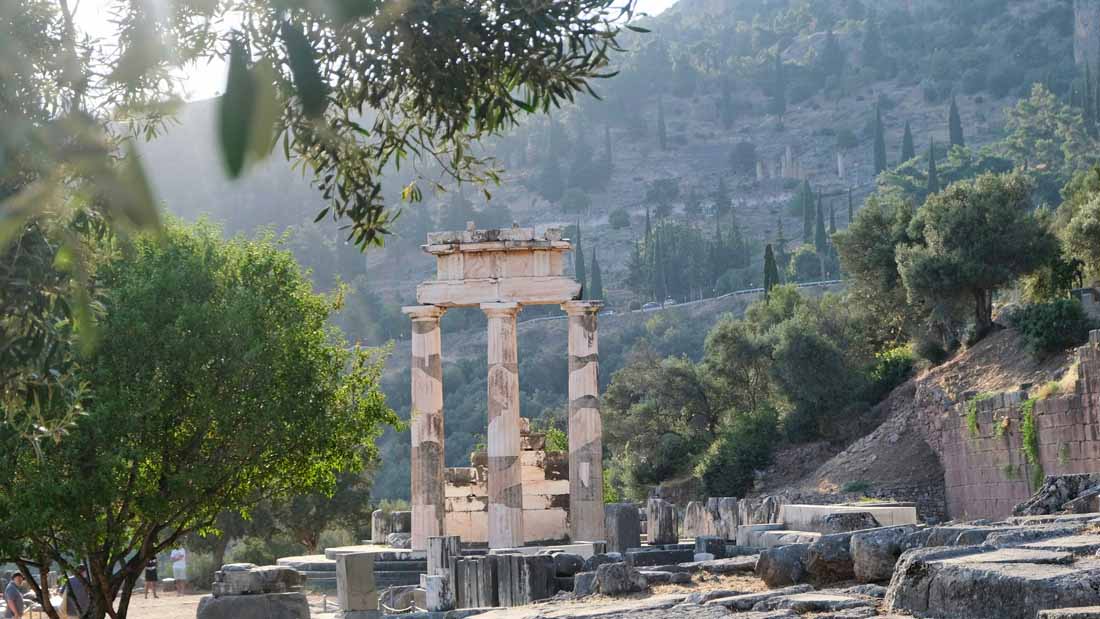
⛰️ Delphi Travel Guide: The Sacred Oracle of Ancient Greece
Delphi, a UNESCO World Heritage site, is one of Greece's most profoundly significant archaeological sites, perched majestically on the slopes of Mount Parnassus. Once considered the "navel of the world" (omphalos gaias) and home to the most important oracle of the ancient Greek world, Delphi offers a powerful journey back in time. With its dramatic mountainous setting, ancient ruins, and a palpable sense of history, Delphi is a must-visit for anyone seeking to connect with the spiritual and cultural heart of ancient Greece.
📍 General Information for Visiting Delphi
- Location: Phocis, Central Greece. Situated on the southwestern slopes of Mount Parnassus, overlooking the Pleistos Valley and the Gulf of Corinth.
- Currency: Euro (€).
- Language: Greek (English is widely spoken in tourist areas and at the archaeological site).
- Country Code: +30 (Greece).
- Best Time to Visit:
- Spring (April-May) & Autumn (September-October): Ideal for pleasant weather, blooming wildflowers, stunning light for photography, and fewer crowds.
- Early Mornings (opening time) or Late Afternoons (2 hours before closing): Best to avoid the peak crowds and the intense sun, especially during summer.
- Avoid Midday (11 AM - 3 PM) in Summer: Can be extremely hot and crowded, making exploration uncomfortable.
- How to Get There:
- By Car: The most flexible way to reach Delphi and explore the surrounding region. It's approximately a 2.5-3 hour drive from Athens via a good national road.
- By Bus (KTEL): Regular bus services connect Athens (Kifissos Bus Station) directly to Delphi (approx. 3 hours). Buses also connect Delphi to other regional towns like Arachova and Amfissa.
- Organized Tours: Many full-day or multi-day organized bus tours depart from Athens, often combining Delphi with other sites like Meteora or Arachova.
🏛️ History & Mythology: The Oracle's Whispers and Cosmic Significance
Delphi's history is steeped in mythology and its role as a spiritual center:
- Mythology: According to myth, Delphi was chosen by Zeus as the center of the world when he released two eagles from opposite ends of the earth, and they met at Delphi. It was primarily dedicated to Apollo, the god of light, music, healing, and prophecy, who was believed to speak through the Pythia (the high priestess of the Oracle).
- The Oracle of Delphi: From the 8th century BC until the 4th century AD, Delphi was the most influential oracle in the ancient world. Rulers, generals, and common citizens sought the Pythia's cryptic prophecies on matters of war, politics, and daily life.
- Amphictyonic League: Delphi was also the seat of the Amphictyonic League, an ancient association of Greek tribes, which protected the sanctuary and organized the Pythian Games (second in importance only to the Olympic Games).
- Decline: The Oracle's influence waned with the rise of Christianity and was eventually suppressed by the Roman Emperor Theodosius I in the late 4th century AD.
- Fun Fact: The omphalos stone (navel of the world), a conical stone adorned with reliefs, was believed to mark the exact center of the earth at Delphi, and replicas can be seen at the site and museum!
📍 Top Sites & Areas: Exploring the Sacred Precinct
The archaeological site of Delphi is vast and layered, requiring a good amount of walking.
- The Sanctuary of Apollo: The main area, where the Oracle was consulted. Key structures include:
- The Sacred Way: The winding path leading up to the Temple of Apollo, lined with treasuries (miniature temples built by various city-states to house offerings).
- The Treasury of the Athenians: A beautifully restored marble building, showcasing the architectural style and dedication of Athens.
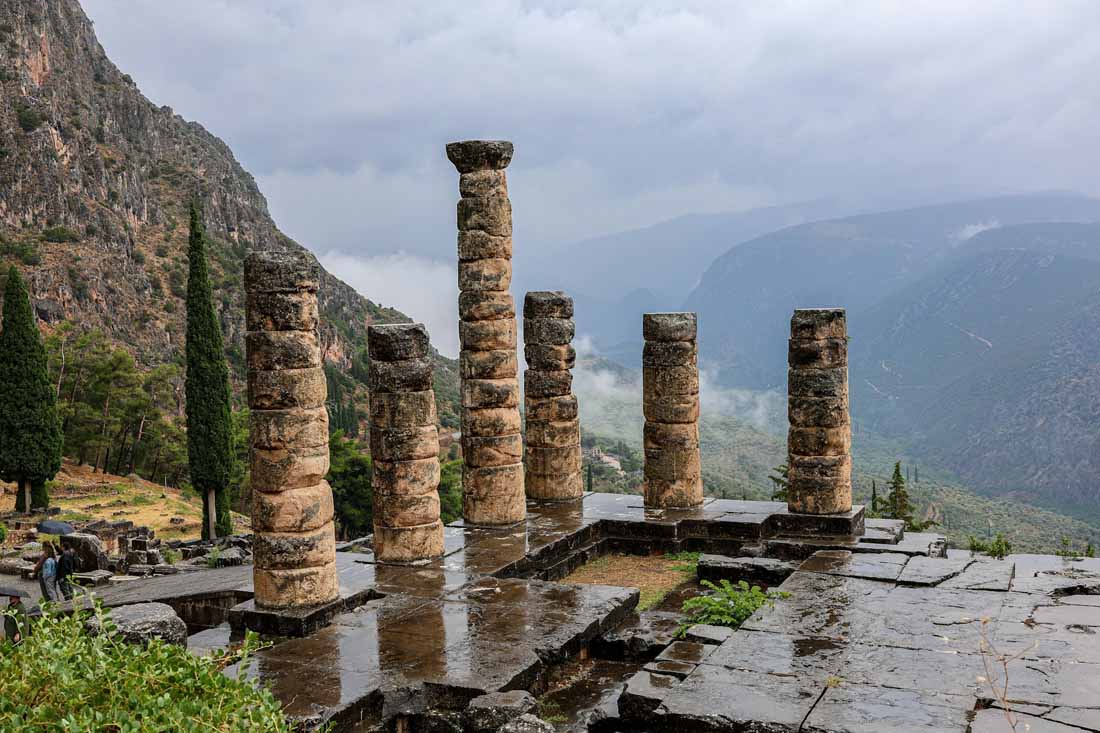
- The Temple of Apollo: The central structure, where the Pythia delivered her prophecies. Only foundations and some columns remain today.
- The Theatre: Perched above the Temple of Apollo, offering spectacular views of the sanctuary and the valley below. Used for the Pythian Games.
- The Stadium: Located even higher up, used for athletic events of the Pythian Games.
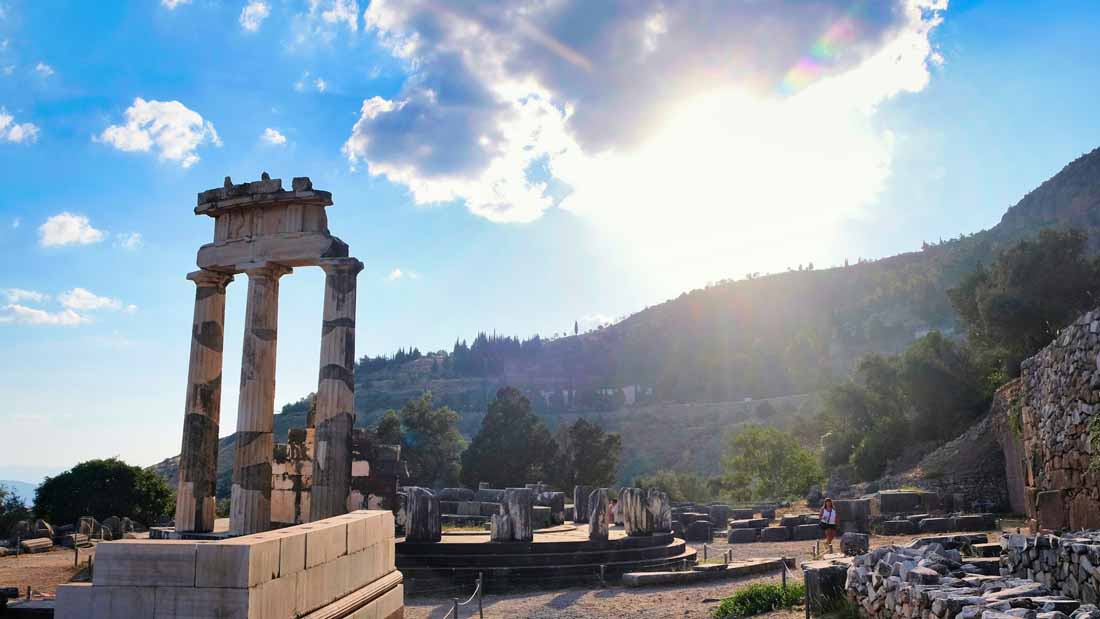
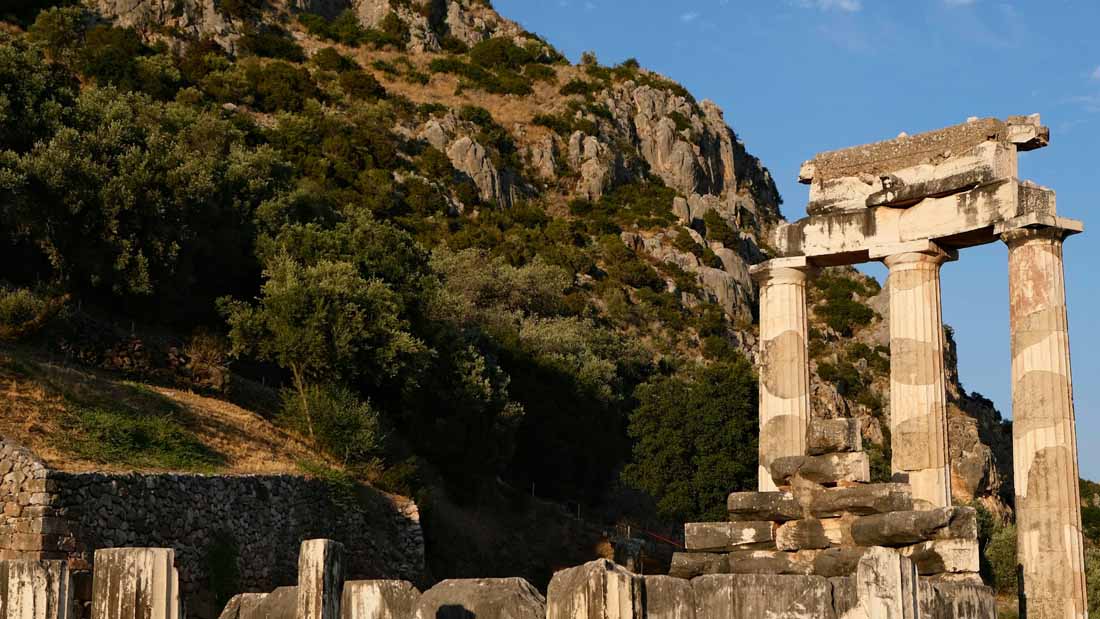
- The Sanctuary of Athena Pronaia: A separate, serene area below the main site, famous for the iconic circular Tholos (a beautiful, enigmatic circular temple). Also includes the remains of temples dedicated to Athena and a Gymnasium.
- Delphi Archaeological Museum (📍 Google Maps): An absolute must-visit. Located at the foot of the archaeological site, it houses all the important artifacts found at Delphi, including:
- The Charioteer of Delphi: A magnificent bronze statue, one of the finest surviving examples of ancient Greek bronze sculpture.
- The Sphinx of Naxians: A colossal marble sphinx, once perched atop a column within the sanctuary.
- The Omphalos Stone: Replicas and fragments of the original "navel of the world" stone.
- Delphi Town (Chora): The modern town, built on the slopes nearby, offers hotels, restaurants, cafes, and shops, with stunning views of the valley.
- Tip: Wear comfortable, sturdy shoes as the site involves a lot of uphill walking on uneven ancient paths. Bring water, a hat, and sunscreen, especially on sunny days, as there is limited shade.
🏛️ Highlights & Activities: Immersing in Delphi's Grandeur
Beyond just seeing the ruins, engage with the history:
- Explore the Archaeological Site: Take your time to wander through the Sacred Way, imagining the ancient pilgrims bringing their offerings. Spend time at the theatre for the view.
- Visit the Archaeological Museum: The museum is essential for understanding the significance of the site, as many of the best artifacts are preserved there. It brings the ruins to life.
- Take in the Views: The dramatic landscape of Delphi, with its cliffs and valleys, is as much a part of the experience as the ruins themselves. The view from the stadium is particularly breathtaking.
- Walk to the Tholos: The Sanctuary of Athena Pronaia and its Tholos offer fantastic photo opportunities and a quieter, more reflective atmosphere.
- Hiking: Explore the ancient path from Delphi down to the coastal town of Kirra (ancient Krissa) or longer trails on Mount Parnassus.
- Visit Arachova: A picturesque and lively mountain town (approx. 10km from Delphi), famous for its traditional architecture, local products, and as a popular winter ski resort. Great for an evening meal or a coffee.
- Tip: Consider hiring a licensed tour guide or joining a small group tour. Their expertise can unlock the layers of history and mythology, making your visit much more insightful.
🌙 Nightlife & Entertainment: Tranquil Evenings and Mountain Charm
Delphi offers a relaxed and quiet evening experience, typical of a historic mountain town:
- Delphi Town: The small town has a selection of traditional tavernas, cafes, and a few relaxed bars. Enjoy a quiet dinner with stunning views of the Pleistos Valley below.
- Arachova: For a livelier evening, head to the nearby town of Arachova. It's known for its more cosmopolitan atmosphere, stylish bars, and restaurants, especially popular during the winter ski season.
- Tip: Embrace the peaceful ambiance of Delphi. The highlight of the evening is often a delicious meal with a panoramic view of the illuminated valley.
🍽️ Food & Local Cuisine: Flavors of Central Greece
Delphi's cuisine offers hearty traditional Greek dishes, often with a focus on local produce:
- Must-Try Dishes: Grilled meats (lamb, pork, kontosouvli), feta cheese (often baked with honey or peppers), Trahanas (a traditional pasta often served in soup), Formaela cheese (a PDO cheese unique to Arachova).
- Local Produce: Savor local olives, olive oil, honey, and mountain herbs.
- Souvlaki & Gyros: Readily available in Delphi town for a quick and tasty meal.
- Drinks: Enjoy local red wines from the Parnassus region, Tsipouro, or Ouzo.
- Tip: Many tavernas in Delphi town offer tables with breathtaking views of the valley – try to secure one for dinner.
🛍️ Shopping & Local Products: Souvenirs and Traditional Crafts
Shopping in Delphi is focused on souvenirs, local products, and religious items:
- Replicas of Ancient Artifacts: Find copies of the Omphalos stone, the Charioteer, and other ancient Greek artifacts.
- Local Produce: Purchase delicious honey from Mount Parnassus, olives and olive oil, and local herbs.
- Traditional Crafts: Look for handmade pottery, textiles, and religious icons.
- Arachova Specialties: If visiting Arachova, buy its famous Formaela cheese, local wine, and traditional hand-woven textiles.
- Hot Spot: The main street in Delphi town is lined with souvenir shops.
🌿 Hidden Gems & Local Experiences: Beyond the Main Site
- Parnassus National Park: Explore the wider region of Mount Parnassus, offering stunning natural beauty, hiking trails, and picturesque villages beyond Delphi.
- Corycian Cave (Korykeion Antron): A large, sacred cave on Mount Parnassus, associated with the god Pan and the Nymphs, used for ancient rituals. (Requires a hike, inquire locally about access).
- Chrisso Village: A charming, traditional village near Delphi, known for its old mansions and peaceful atmosphere, offering a glimpse into local life.
- Folklore Museum of Arachova: Learn about the traditional life and crafts of the Arachova region.
- Sunset over the Pleistos Valley: Find a quiet spot along the road outside Delphi town or in Arachova to watch the sun set over the vast valley, an unforgettable sight.
🌍 Sustainable Tourism: Respecting a Sacred World Heritage Site
- Stay on Marked Paths: This is crucial to protect the ancient ruins and prevent further erosion at the archaeological site.
- No Touching/Climbing: Do not touch the ancient stones, lean on structures, or climb on ruins to preserve them.
- Dispose of Waste Properly: Use designated bins and do not litter, especially at the archaeological site and in natural areas.
- Support Local Economy: Choose local tavernas, hotels, and buy products directly from local artisans.
- Manage Your Visit Times: Visiting during off-peak hours or seasons helps reduce overcrowding and stress on the site's infrastructure.
🌟 Practical Tips for Travelers
- Comfortable Shoes: Absolutely essential for navigating the archaeological site, which involves significant walking uphill on uneven surfaces.
- Sun Protection: Wear a hat, sunglasses, and high-SPF sunscreen, as there is very little natural shade on the archaeological site.
- Hydration: Bring plenty of water, especially during hot months. There are limited water sources on the site itself.
- Tickets: Purchase your tickets at the entrance. Consider a combined ticket if you plan to visit other archaeological sites in Greece.
- Respectful Visit: Remember that Delphi is a profoundly significant historical and spiritual site. Maintain a respectful demeanor and quiet voice.

 27°C
27°C


