
🏝️ Rhodes Travel Guide: The Island of Knights and Sunshine
Rhodes, the largest of the Dodecanese islands, is a captivating blend of medieval grandeur, ancient ruins, stunning beaches, and lively resorts. Known as the "Island of the Knights," it boasts a rich history stretching back millennia, yet pulsates with modern energy. Whether you're drawn to UNESCO World Heritage sites, thrilling watersports, serene natural beauty, or vibrant nightlife, Rhodes invites you to explore its diverse and enchanting landscapes.
📍 General Information for Rhodes
- Capital: Rhodes Town, a vibrant city split between the medieval Old Town and the modern new town.
- Currency: Euro (€).
- Language: Greek (English is widely spoken, especially in tourist areas; German and Russian are also common).
- Country Code: +30 (Greece).
- Best Time to Visit: June to September for sun, swimming, and peak tourist season; May and October for milder weather, fewer crowds, and ideal conditions for sightseeing and hiking.
- How to Get There: By flight to Rhodes International Airport (RHO) from Athens, other major Greek cities, and numerous European destinations (direct flights are common during summer). By ferry from Piraeus port in Athens (12-18 hours, often an overnight trip), or from other Dodecanese islands and Turkish coastal towns.
🏛️ History & Mythology: A Tapestry of Civilizations
Rhodes boasts a layered history, often intertwined with grand myths and powerful civilizations:
- Mythology: Legend has it that the island emerged from the sea as a gift from Zeus to the sun god, Helios, who then fell in love with the nymph Rhodes.
- Ancient Period: Home to one of the Seven Wonders of the Ancient World, the Colossus of Rhodes, a colossal statue of Helios guarding the harbor entrance (destroyed by an earthquake in 226 BC). Rhodes was a prominent naval and trade power in antiquity.
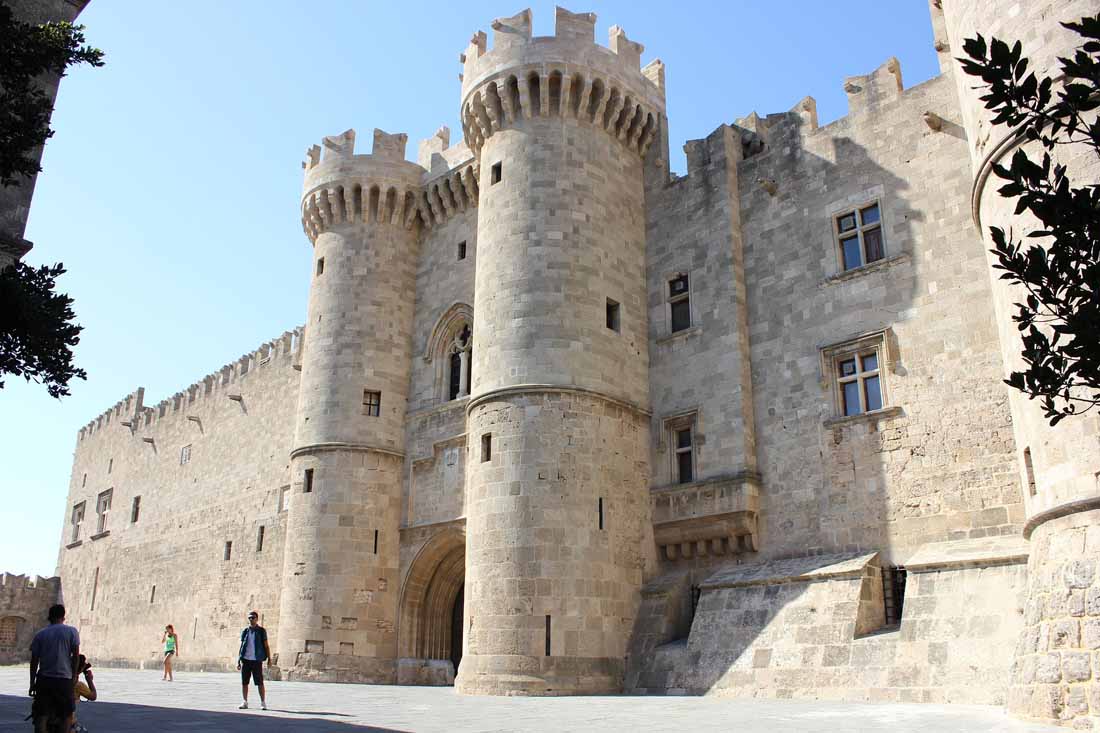
- Knights of St. John: From the 14th to the 16th century, the Knights Hospitaller of St. John ruled Rhodes, transforming its capital into a formidable medieval fortress, which is now a UNESCO World Heritage site.
- Ottoman & Italian Rule: After the Knights, the island fell under Ottoman rule for centuries, followed by Italian occupation in the early 20th century, both leaving distinct architectural and cultural imprints.
- Modern Greece: Rhodes became part of Greece in 1948 after World War II.
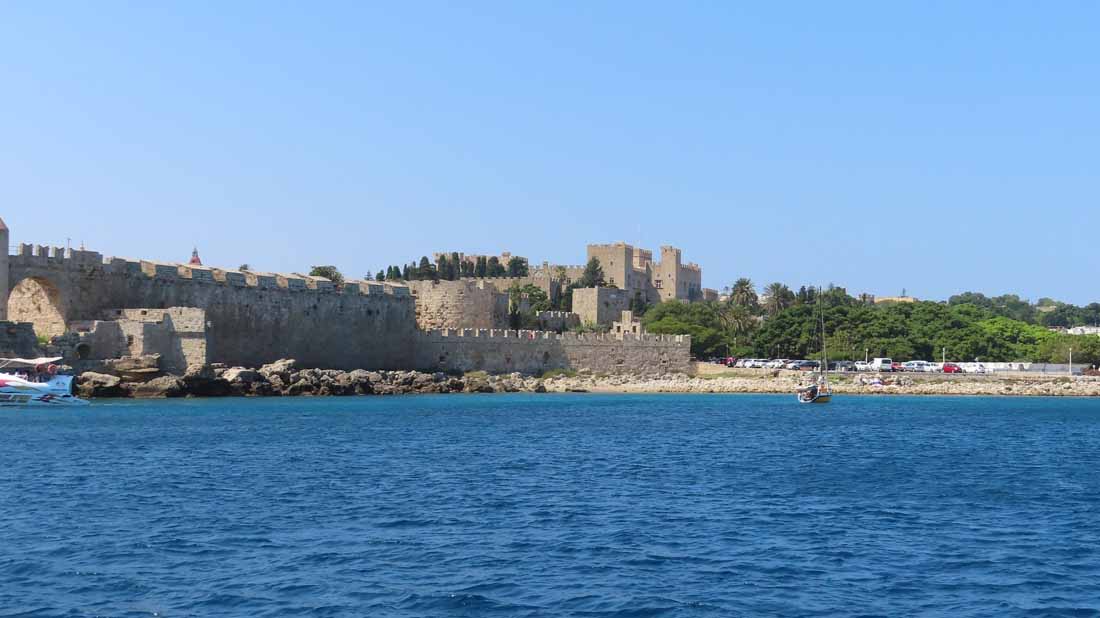
- Fun Fact: The Old Town of Rhodes is one of the best-preserved medieval walled cities in Europe, where people still live and work within its ancient walls!
📍 Top Towns & Areas: Exploring Rhodes's Diverse Landscape
Discover the varied and captivating places across Rhodes:
- Rhodes Town: The bustling capital, featuring the magnificent Medieval Old Town (a UNESCO World Heritage site) with its Palace of the Grand Master, the Street of the Knights, and a vibrant new town with shops, restaurants, and hotels. It's an excellent base for any traveler.
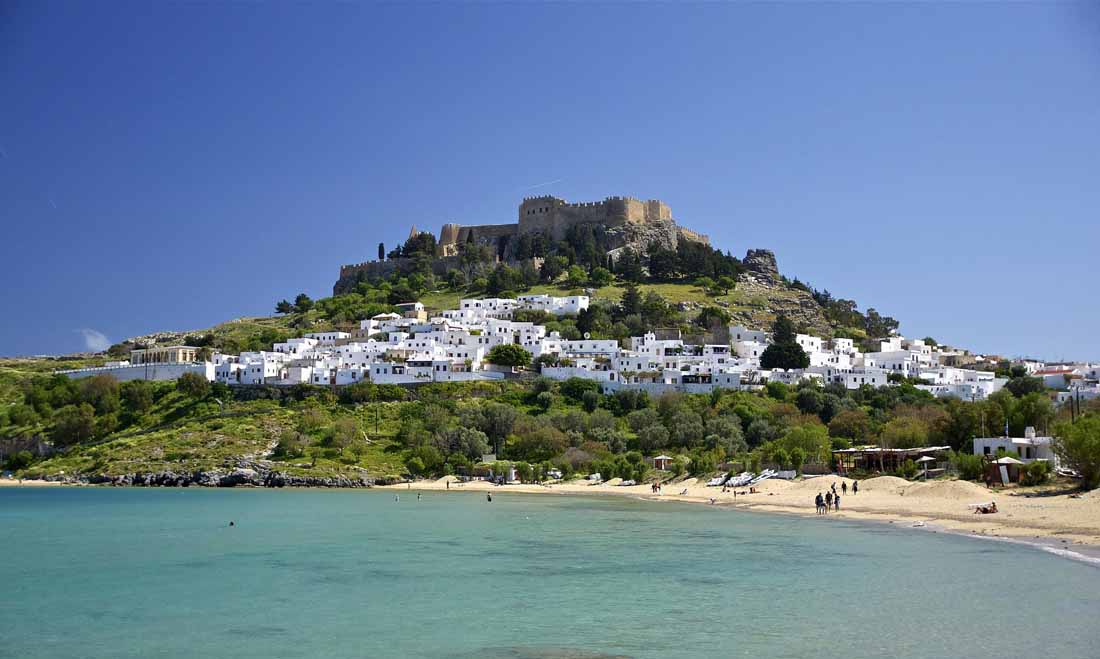
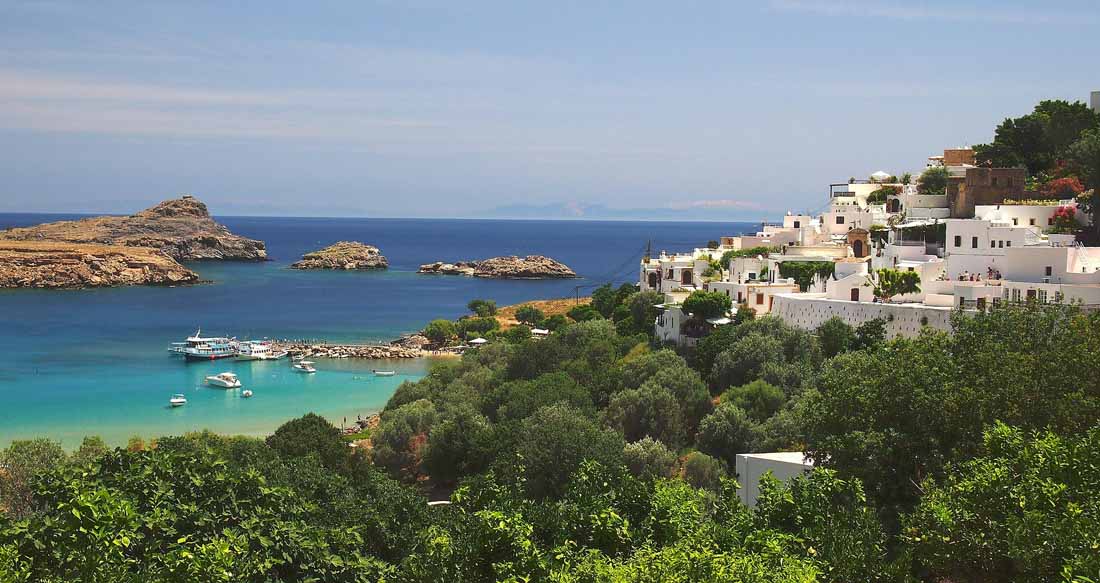
- Lindos: A strikingly picturesque village dominated by its ancient Acropolis, perched high above the whitewashed houses. It offers stunning views, narrow streets, and beautiful beaches. A must-visit.
- Filerimos: Located on a hill near Ialysos, offering panoramic views, an impressive monastery (Our Lady of Filerimos), and the Golgotha Path with its large crosses.
- Faliraki: A popular, lively resort town on the east coast, famous for its long sandy beach, extensive watersports, and vibrant nightlife, catering to those seeking entertainment.
- Lardos & Pefkos: Quieter, family-friendly resorts on the southeast coast, offering beautiful beaches, relaxed atmospheres, and traditional tavernas.
- Tip: Rent a car to fully explore the island, as Rhodes is large and offers many hidden gems, picturesque villages, and secluded beaches that are best accessed with private transport.
🏖️ Best Beaches of Rhodes: From Lively Resorts to Secluded Coves
Rhodes boasts a wide array of beaches, catering to every preference:
- Tsambika Beach: A stunning, long golden sand beach with shallow, crystal-clear waters, making it ideal for families. It's well-organized with watersports and tavernas.
- Anthony Quinn Bay: A small, incredibly picturesque cove with emerald waters and rocky surroundings, popular for snorkeling and diving. It can get crowded.
- Faliraki Beach: A long, sandy, well-organized beach with excellent facilities, numerous watersports, and a lively atmosphere, especially popular with younger crowds.
- Lindos Beach (Main Beach & St. Paul's Bay): The main beach below the Acropolis is sandy and organized, while St. Paul's Bay (nearby) is a beautiful, almost enclosed bay, perfect for calm swimming and snorkeling.
- Prasonisi: Located at the southernmost tip of the island, this is a unique spot where two sandy bays meet, creating a sandbar. It's a world-famous paradise for windsurfers and kitesurfers due to consistent strong winds.
- Agathi Beach (Golden Sand Beach): A beautiful, shallow, sandy beach near Haraki, ideal for families, with soft sand and calm waters.
- Tip: The east coast beaches are generally calmer and warmer, while the west coast (near Rhodes Town) can be windier and has more pebbles, making it popular for watersports.
🏛️ Attractions & Activities: Exploring Culture, Nature, and Adventure
Rhodes offers a wealth of historical sites, natural beauty, and exciting activities:
- Medieval City of Rhodes (Old Town) (📍 Google Maps): A UNESCO World Heritage site. Explore the Palace of the Grand Master of the Knights, the Street of the Knights, the Archaeological Museum (housed in the Knights' Hospital), and numerous charming shops and restaurants.
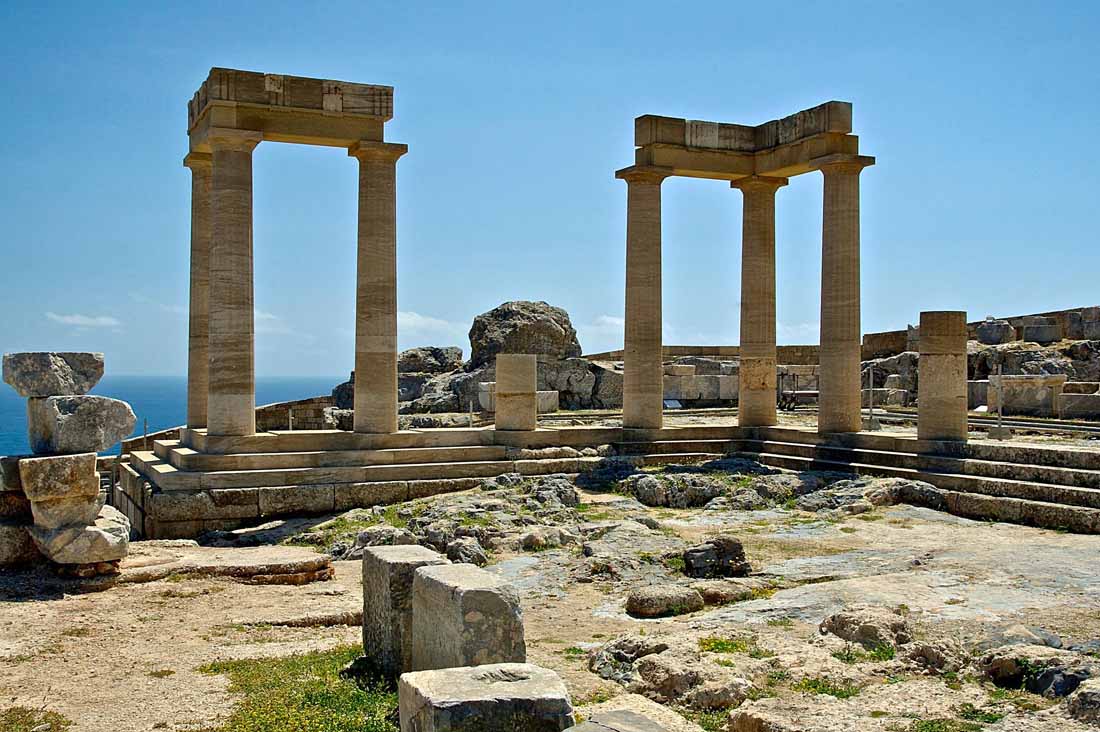
- Acropolis of Lindos (📍 Google Maps): Perched majestically on a cliff, this ancient acropolis offers stunning views, ancient temples (like the Temple of Athena Lindia), and Byzantine churches. You can walk up or ride a donkey.
- Ancient Kamiros (📍 Google Maps): The ruins of an ancient Dorian city, offering a fascinating glimpse into an untouched ancient Greek settlement.
- Valley of the Butterflies (Petaloudes) (📍 Google Maps): A lush, shaded valley teeming with millions of Panaxia Quadripunctaria butterflies during the summer months (typically June-September). A unique natural phenomenon.
- Seven Springs (Epta Piges) (📍 Google Maps): A beautiful, lush oasis with seven natural springs, a small lake, and a charming tunnel through which you can walk.
Activities:
- Watersports: Try windsurfing, kitesurfing, jet-skiing, or parasailing at various organized beaches.
- Boat Trips: Take a day cruise around the island, explore hidden coves, or visit nearby islands like Symi or Halki.
- Diving & Snorkeling: Explore the rich underwater world of the Aegean with certified diving centers.
- Hiking: Discover beautiful trails through the island's interior, especially in the central mountains and around Embonas.
- Wine Tasting: Visit local wineries in the central part of the island (e.g., Embonas) to sample Naxian wines.
🌙 Nightlife & Entertainment: From Historic Charm to Modern Beats
Rhodes offers a diverse nightlife scene, from relaxed evenings to pulsating clubs:
- Rhodes Town (New Town): The main hub for vibrant nightlife, with a wide array of bars, pubs, and clubs catering to all tastes, especially along Bar Street.
- Rhodes Town (Old Town): Offers a more atmospheric and sophisticated evening, with cozy cocktail bars tucked away in medieval alleys, and traditional tavernas with live music.
- Faliraki: Known for its energetic party scene, with numerous bars and clubs attracting a younger crowd.
- Lindos: Offers a more romantic and chic nightlife, with rooftop bars providing stunning views of the Acropolis illuminated at night.
- Traditional Evenings: Look for local tavernas with live Greek music and traditional dancing in various villages, especially during summer festivals (panigiria).
- Tip: If you're looking for an all-night party, Faliraki is your best bet. For a more sophisticated or traditional experience, stick to Rhodes Town or Lindos.
🍽️ Food & Local Cuisine: A Feast of Flavors
Rhodes boasts a rich culinary tradition, influenced by its diverse history:
- Must-Try Dishes: Pitaroudia (chickpea fritters), Giaprakia (vine leaves stuffed with rice and minced meat), Koulouria (traditional pasta), Lachanodolmades (cabbage rolls), and fresh seafood (especially grilled fish and octopus).
- Meat Dishes: Don't miss the slow-cooked lamb or goat dishes, often prepared in traditional wood-fired ovens.
- Desserts: Try Melekouni (a traditional honey-sesame bar) or Fanouropita (a simple, sweet cake).
- Local Products: Sample local wine (especially from Embonas), olive oil, honey, and souma (a strong grape spirit).
- Tip: Explore tavernas in the smaller villages for authentic home-cooked meals, and don't be afraid to try the daily specials ("magirefta").
🛍️ Shopping & Local Products: Souvenirs and Treasures
Rhodes offers a wide range of shopping experiences, from luxury to traditional:
- Old Town of Rhodes: A treasure trove for unique souvenirs, handmade jewelry, leather goods, traditional crafts, spices, and local products. Be prepared to haggle in some smaller shops.
- New Town of Rhodes: Features modern boutiques, international brands, and larger retail stores.
- Lindos: Offers charming shops selling local textiles, ceramics, unique jewelry, and art.
- Local Products: Look for honey, olive oil, wine, ceramics, leather goods, and traditional embroidered textiles.
- Hot Spot: The Street of the Knights and the surrounding alleys in the Old Town for unique finds, and Mandraki Harbor area in the New Town for more commercial options.
🌿 Hidden Gems & Local Experiences: Discovering Rhodes's Secrets
- Seven Springs (Epta Piges): Walk through the dark tunnel to cool off in the refreshing spring water – it's believed to be good luck!
- Castle of Monolithos: A ruined 15th-century castle perched dramatically on a rock, offering incredible panoramic views, especially at sunset.
- Embonas Village: The highest village on the island, known for its wine production. Visit a local winery for a tasting.
- Ancient Rhodes Acropolis: Explore the lesser-known ancient acropolis of Rhodes Town, featuring the Temple of Apollo, ancient stadium, and Odeon, away from the Old Town crowds.
- Kallithea Springs: A beautifully restored Italian spa complex with stunning architecture and crystal-clear waters, perfect for swimming and relaxation.
🌍 Sustainable Tourism: Protecting the Island of Helios
- Conserve Water & Energy: Be mindful of your consumption, especially in hotels, as islands often face resource limitations.
- Reduce Waste: Minimize plastic use and dispose of trash responsibly. Support businesses with eco-friendly practices.
- Support Local: Choose locally owned businesses, buy local products, and participate in authentic cultural experiences.
- Respect Heritage Sites: Follow guidelines when visiting archaeological sites and natural parks to preserve them for future generations.
- Public Transport: Utilize the efficient bus network (KTEL) to reduce your carbon footprint, especially for major routes.
🌟 Practical Tips for Travelers
- Transportation: The KTEL bus network is extensive and connects Rhodes Town to most major resorts and attractions. However, a rented car is highly recommended for exploring the more remote parts of this large island.
- Accommodation: Rhodes offers a vast range of accommodation, from all-inclusive resorts to boutique hotels and charming guesthouses. Book well in advance, especially for peak season (July-August).
- Weather: Summers are hot and sunny. The "Meltemi" wind can provide a refreshing breeze, but it might make some west coast beaches windy.
- Old Town Exploration: Wear comfortable shoes for exploring the cobblestone streets of the Old Town, as it involves a lot of walking.
- Hydration: Always stay hydrated, especially during summer, and carry water with you.

 21°C
21°C


