
🏛️ Temple of Apollo at Delphi Travel Guide: Heart of the Ancient World
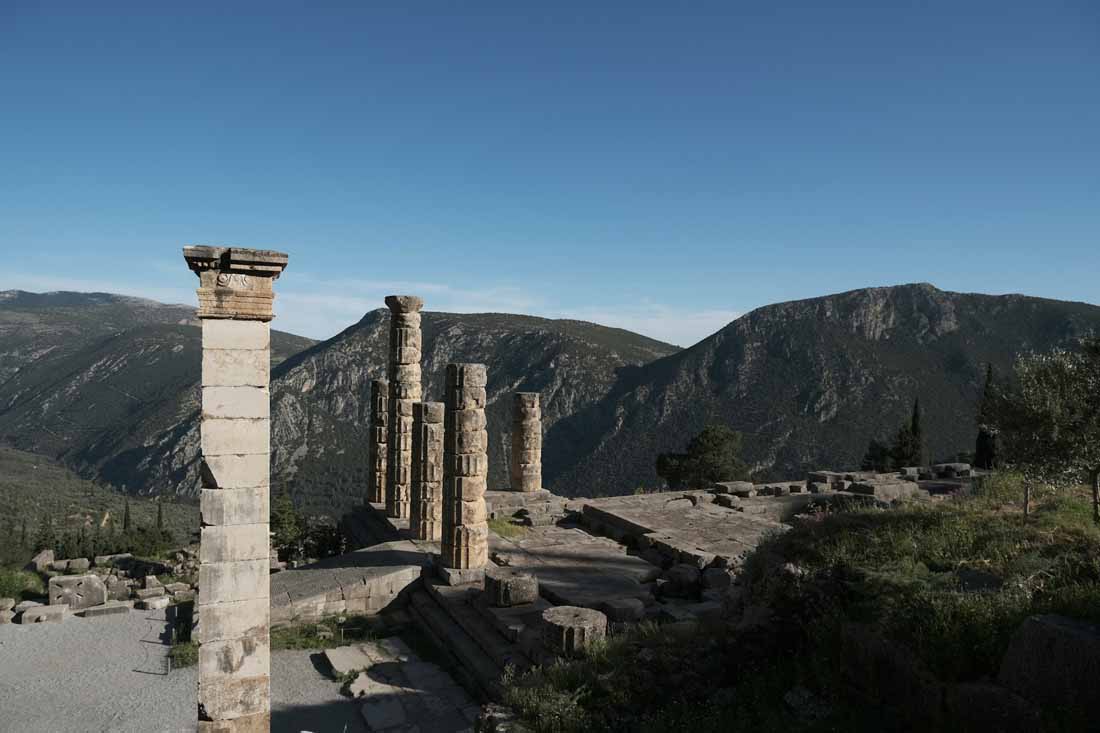
The Temple of Apollo at Delphi, majestically set on the slopes of Mount Parnassus, was the most important sanctuary of the ancient Greek world. This iconic Doric temple served as the sacred heart of the Delphic Oracle, where the high priestess, the Pythia, delivered prophecies believed to be the words of Apollo himself. More than just ruins, it's a site charged with profound spiritual and historical significance, offering visitors a direct connection to the ancient world's wisdom and a commanding view of the dramatic landscape of Delphi.
📍 General Information for Visiting the Temple of Apollo
- Location: Within the Archaeological Site of Delphi, Phocis, Central Greece.
- Currency: Euro (€).
- Language: Greek (English is widely spoken at the site and in the surrounding tourist areas).
- Country Code: +30 (Greece).
- Best Time to Visit:
- Spring (April-May) & Autumn (September-October): Ideal for pleasant weather, lush greenery, stunning light for photography, and fewer crowds.
- Early Mornings (opening time) or Late Afternoons (2 hours before closing): Best to avoid the peak crowds and the intense sun, especially during summer.
- Avoid Midday (11 AM - 3 PM) in Summer: Can be extremely hot and crowded, making exploration uncomfortable.
- Opening Hours: The archaeological site of Delphi (which includes the Temple of Apollo) is generally open daily from 8:00 AM to 8:00 PM during the summer season, with reduced hours in winter. Last entry is typically 20 minutes before closing. Always check the official Hellenic Ministry of Culture and Sports website for the most up-to-date information.
- Entrance Fee: Entry to the Temple of Apollo is included in the general admission ticket for the Archaeological Site of Delphi.
- Full admission (Archaeological Site & Museum): €12 (summer season) / €6 (winter season).
- Reduced rates and free admission days are available (e.g., free for EU citizens under 25, on specific public holidays).
- How to Get There:
- By Car: The easiest way to reach Delphi. It's approximately a 2.5-3 hour drive from Athens.
- By Bus (KTEL): Regular bus services connect Athens (Kifissos Bus Station) directly to Delphi (approx. 3 hours).
- Organized Tours: Many full-day or multi-day tours depart from Athens, often combining Delphi with other sites.
🏛️ History & Mythology: The Oracle's Sacred Domain
The Temple of Apollo is at the very core of Delphi's mythical and historical significance:
- Mythology: According to myth, Delphi was chosen by Zeus as the center of the world. It became the sanctuary of Apollo, the god of light, music, healing, and prophecy, after he slew the monstrous Python guarding the site.
- The Oracle of Delphi: This was the most influential oracle in the ancient world. The Pythia, Apollo's high priestess, delivered cryptic prophecies from within the temple, guiding rulers, generals, and individuals on crucial decisions for over a thousand years.
- Temple Constructions: The Temple of Apollo standing today is the third major temple built on this spot, constructed around 330 BC after previous temples were destroyed by fire (c. 548 BC) and earthquake (c. 373 BC). The first temple dates back to the 7th century BC.
- Sacred Way: Pilgrims and supplicants approached the temple along the Sacred Way, a winding path lined with treasuries (miniature temples built by various city-states to house their offerings to Apollo).
- Decline: The Oracle's influence gradually waned with the rise of Christianity and was finally suppressed by the Roman Emperor Theodosius I in the late 4th century AD.
- Fun Fact: Inscriptions above the temple's entrance once bore famous maxims such as "Know Thyself" and "Nothing in Excess," attributed to the Seven Sages of Greece, guiding visitors to the Oracle.
📍 Key Features of the Temple of Apollo:
While much of the temple stands in ruins today, its layout and remaining elements offer insights into its past grandeur:
- Doric Architecture: The temple was built in the Doric order, characterized by sturdy, fluted columns. Originally, it had 6 columns on the front and 15 on the flanks.
- Cella: The inner chamber (cella) was where pilgrims waited to hear the Oracle's response. It likely housed a golden statue of Apollo and the Omphalos (the "navel of the world" stone).
- Adyton: The most sacred inner sanctum, accessible only to the Pythia and priests, where the prophecies were delivered, possibly from a chasm in the floor.
- Pediments: The triangular pediments at the front and back of the temple were adorned with sculptures, depicting scenes from Greek mythology related to Apollo and Dionysus (who also had a presence at Delphi).
- The Sacred Way: The approach to the temple offers a journey through history, past the treasuries, including the beautifully reconstructed Treasury of the Athenians.
- The Theatre: Located just above the Temple, the ancient theater provided a grand setting for performances during the Pythian Games and offered spectators a magnificent view of the entire sanctuary and the valley.
🏛️ Highlights & Activities: Immersing in the Oracle's Legacy
To fully appreciate the Temple of Apollo, integrate your visit with the wider Delphi experience:
- Explore the Temple Grounds: Walk around the remaining columns and foundations of the Temple of Apollo. Imagine the rituals and prophecies that took place here.
- Visit the Delphi Archaeological Museum (📍 Google Maps): An absolute must-visit. Located at the foot of the archaeological site, this museum houses all the important artifacts found at Delphi, including the magnificent Charioteer of Delphi, the original Omphalos stone, and significant sculptural fragments from the temple.
- Climb to the Theatre: Ascend the steps above the temple to the ancient Theatre. The panoramic views of the entire Sanctuary of Apollo and the Pleistos Valley below are truly breathtaking.
- Walk the Sacred Way: Follow the ancient path, imagining yourself as a pilgrim seeking Apollo's wisdom. The treasuries along the way provide a sense of the wealth and influence of ancient Greek city-states.
- Guided Tour: Hire a licensed tour guide or join a small group tour. Their insights into the history, mythology, and architectural details of the Temple and the entire site will significantly enrich your understanding.
- Photography: Capture the grandeur of the temple against the dramatic mountain backdrop. Early morning or late afternoon light is best.
🍽️ Nearby Food & Dining: Flavors of Central Greece
While no dining is allowed directly at the archaeological site, the modern town of Delphi offers ample choices:
- Delphi Town (Chora): The small town, a short walk from the site, has numerous traditional tavernas, cafes, and a few relaxed bars. Many establishments offer tables with breathtaking views of the Pleistos Valley.
- Arachova: For a livelier dining scene, the picturesque mountain town of Arachova (approx. 10km away) offers more sophisticated restaurants and a bustling atmosphere, especially in winter.
- Must-Try: Enjoy hearty Greek dishes like grilled meats, feta cheese (often baked), and local Trahanas (traditional pasta). Pair your meal with local red wines from the Parnassus region.
🛍️ Shopping & Local Products: Souvenirs and Spiritual Keepsakes
Shopping in Delphi focuses on souvenirs, local products, and items related to the site's history:
- Site Shop: The official shop at the archaeological site entrance sells books, replicas of artifacts (including the Charioteer and Omphalos), and educational materials.
- Delphi Town Shops: The main street of Delphi town is lined with souvenir shops selling various items related to ancient Greece, local honey, herbs, and traditional crafts.
- Arachova Specialties: If visiting Arachova, look for its famous Formaela cheese, local wine, and traditional hand-woven textiles.
🌿 Hidden Gems & Local Experiences: Beyond the Temple
- Sanctuary of Athena Pronaia: A separate, serene area below the main site, famous for the iconic circular Tholos, offering a different architectural style and beautiful photo opportunities.
- Castalian Spring: The ancient sacred spring where the Pythia and pilgrims purified themselves before consulting the Oracle.
- Parnassus National Park: Explore the wider region of Mount Parnassus, offering stunning natural beauty and hiking trails beyond the archaeological site.
- Ammissa Olive Groves: The vast "sea of olives" in the Pleistos Valley below Delphi is a UNESCO-protected landscape and a testament to ancient olive cultivation.
- Museum of Delphic Festivals (near Sikelianos House): A small museum dedicated to the Delphic Festivals of the early 20th century, a revival of ancient Greek ideals.
🌍 Sustainable Tourism: Preserving a Sacred World Heritage Site
- Stay on Marked Paths: This is crucial to protect the ancient ruins and prevent further erosion. Do not touch or climb on the temple's remaining structures.
- No Littering: Dispose of all waste properly in designated bins.
- Respect the Site: Remember that this is a profoundly significant historical and spiritual place. Maintain a respectful demeanor and a quiet voice, especially within the sacred precinct.
- Support Local Economy: Choose local tavernas, hotels, and buy products directly from local artisans.
- Manage Your Visit Times: If possible, visit during off-peak hours or seasons to reduce overcrowding and stress on the site's infrastructure.
🌟 Practical Tips for Travelers
- Comfortable Shoes: Absolutely essential for navigating the archaeological site, which involves significant uphill walking on uneven surfaces and steps.
- Sun Protection: Wear a hat, sunglasses, and high-SPF sunscreen, as there is very little natural shade on the archaeological site.
- Hydration: Bring plenty of water, especially during hot months. There are limited water sources on the site itself.
- Tickets: Purchase your tickets at the entrance. A combined ticket with the Archaeological Museum is highly recommended.
- Respectful Photography: While photography is generally allowed, be mindful of other visitors and do not disturb the solemnity of the site. Drones usually require special permits.

 22°C
22°C


