
🏝️ Crete Travel Guide
Crete, the largest island in Greece, is a captivating tapestry of ancient civilizations, dramatic landscapes, and vibrant traditions. From the sun-drenched beaches and turquoise waters to the imposing mountains and olive groves, it offers a kaleidoscope of experiences. Whether you seek historical exploration, thrilling adventures, culinary delights, or simply relaxation by the sea, Crete welcomes you to discover its boundless charm.
📍 General Information
Capital: Heraklion, a bustling city combining ancient history with modern life.
Currency: Euro (€).
Language: Greek (English and German are widely spoken in tourist areas).
Country Code: +30 (Greece).
Best Time to Visit: May-June and September-October for pleasant weather, fewer crowds, and ideal conditions for hiking. July-August for hot weather and vibrant nightlife.
How to Get There: Direct flights to Heraklion (HER) or Chania (CHQ) from major European cities. Ferries from Piraeus (Athens) to Heraklion or Chania (overnight journey).
🏛️ History & Mythology
Crete is the cradle of Europe’s first advanced civilization and steeped in myth:
Mythology: Birthplace of Zeus, king of the Olympian gods, said to have been raised in a cave on Mount Ida. Home of the Minotaur and the legendary Labyrinth built by Daedalus.
Minoan Civilization: The island was the center of the powerful Minoan civilization (c. 2700–1450 BC), known for its grand palaces like Knossos, Phaistos, and Malia.
Classical & Roman Eras: Flourished as an important trading hub.
Byzantine & Venetian Periods: Under Byzantine rule for centuries, followed by over 400 years of Venetian rule, leaving behind impressive fortresses and architecture (e.g., in Chania and Rethymno).
Ottoman Era: Remained under Ottoman occupation until its unification with Greece in 1913.
Fun Fact: The Minoan civilization developed a unique writing system called Linear A, which remains undeciphered to this day!
📍 Top Cities & Regions
Crete is divided into four prefectures, each with its own character:
Heraklion (Prefecture): Home to the capital and the Palace of Knossos. Offers a mix of city life, historical sites, and diverse beaches.
Chania (Prefecture): Renowned for its picturesque Old Town with its Venetian harbor, charming alleys, and excellent dining. Known for stunning natural beauty (Samaria Gorge).
Rethymno (Prefecture): Features a beautiful Venetian Old Town with a strong Ottoman influence, a long sandy beach, and a lively atmosphere.
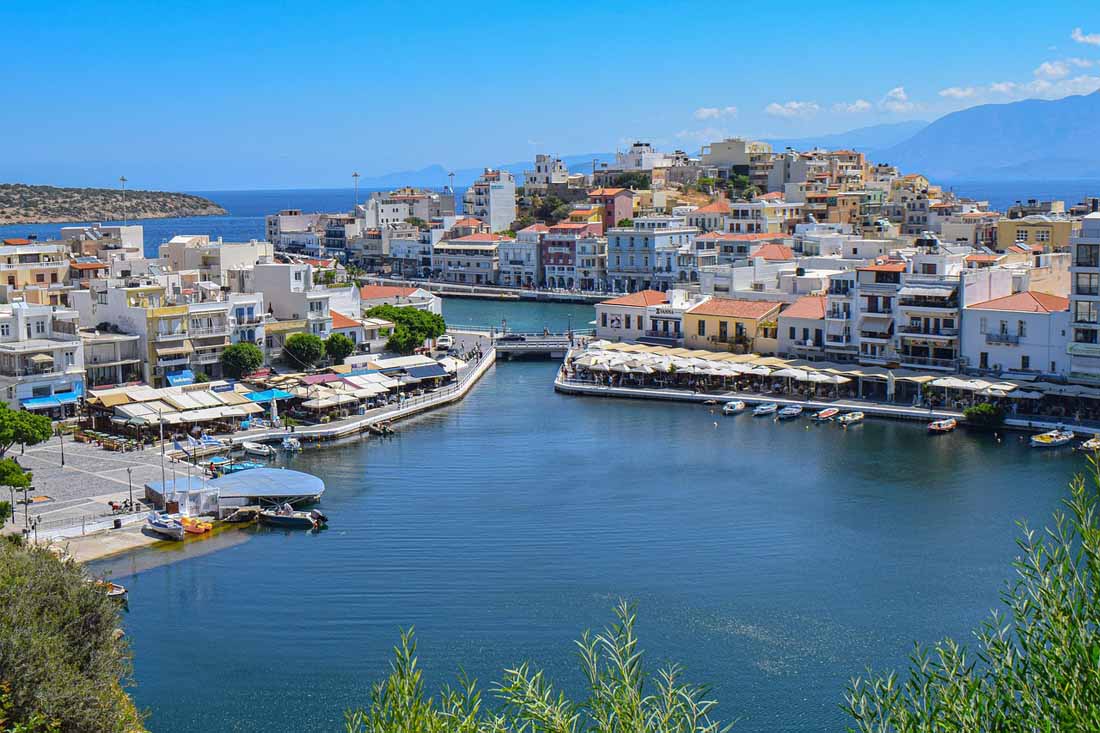
Lasithi (Prefecture): The easternmost region, home to the chic town of Agios Nikolaos, the luxury resorts of Elounda, and the famous palm forest of Vai.
Tip: Crete is a large island, so it’s advisable to focus on one or two regions per trip if you have limited time. Renting a car is highly recommended for exploration.
🏖️ Best Beaches
Crete boasts an incredible array of stunning beaches:
Elafonisi (Chania): Famous for its pink sand and shallow, crystal-clear turquoise waters, resembling an exotic lagoon.
Balos Lagoon (Chania): A breathtaking natural wonder with white and pink sand, vibrant blue waters, and wild, unspoiled beauty. Accessible by boat or a challenging dirt road.
Falassarna (Chania): A vast stretch of golden sand with clear waters, popular for its stunning sunsets and watersports.
Preveli Palm Beach (Rethymno): A unique beach where a river flows into the sea, flanked by a palm forest, creating a tropical paradise.
Matala (Heraklion): Famous for its man-made caves carved into the cliffs, once home to hippies. A lively beach with deep waters.
Vai Palm Forest (Lasithi): The largest natural palm forest in Europe, leading to a beautiful sandy beach with clear waters.
Spiaggia Seitan Limania (Chania): A hidden gem, a narrow inlet forming a secluded cove with dramatic cliffs and turquoise waters.
Tip: Wear sturdy shoes for accessing some of the more remote beaches, and always bring water and sun protection.
🏛️ Attractions & Activities
Crete offers an endless list of attractions and activities:
Palace of Knossos (Heraklion) (📍 Google Maps): Explore the ruins of the grandest Minoan palace, central to the legend of the Minotaur.
Archaeological Museum of Heraklion: Houses an unparalleled collection of Minoan artifacts, complementing a visit to Knossos.
Samaria Gorge (Chania) (📍 Google Maps): Europe’s longest gorge, a challenging but rewarding hike through spectacular scenery.
Old Town of Chania & Venetian Harbor (📍 Google Maps): Wander through picturesque alleys, admire the lighthouse, and enjoy waterfront dining.
Arkadi Monastery (Rethymno): A historic monastery, a symbol of Cretan resistance against the Ottomans.
Spinalonga Islet (Lasithi) (📍 Google Maps): A former leper colony with a fascinating history, accessible by boat from Elounda or Plaka.
Diktaean Cave (Lasithi): One of the supposed birthplaces of Zeus, an impressive cave with stalactites and stalagmites.
Activities:
- Hiking: Beyond Samaria, explore other gorges like Imbros or the White Mountains.
- Water Sports: Windsurfing, kitesurfing, diving, and snorkeling are popular on many organized beaches.
- Boat Trips: Discover secluded coves and nearby islands like Gavdos (Europe’s southernmost point).
- Cretan Cooking Classes: Learn to prepare traditional Cretan dishes using fresh, local ingredients.
- Wine Tasting: Visit local wineries in the Heraklion region to sample indigenous Cretan wines.
🌙 Nightlife & Entertainment
Crete caters to all tastes, from vibrant clubs to relaxed evenings:
Hersonissos & Malia (Heraklion): The epicenters of lively nightlife, with numerous clubs, bars, and beach parties, especially popular with younger crowds.
Old Town of Chania & Rethymno: Offer a more sophisticated nightlife, with atmospheric cocktail bars, live music venues, and charming cafes by the harbor.
Agios Nikolaos (Lasithi): Has a good selection of stylish bars around the Voulismeni Lake and the marina.
Traditional Tavernas: Many villages and towns offer traditional Cretan nights with live music (Cretan lyra), folk dancing, and delicious food.
Tip: Check local listings or ask locals for information on traditional “panigyria” (festivals) during the summer, which are lively cultural events.
🍽️ Food & Local Cuisine
Cretan cuisine is renowned for its health benefits and delicious flavors:
Must-Try Dishes: Dakos (barley rusks with tomato, feta, and olive oil), Gamopilafo (wedding rice with lamb/goat), Chochlioi Boubouristi (fried snails), Apaki (smoked pork), Skioufichta Makaronia (local handmade pasta).
Seafood: Fresh fish and seafood are abundant in coastal towns and villages.
Local Products: Cretan olive oil (among the best in the world), Cretan cheese (Graviera, Anthotyros, Myzithra), honey, and raki (local spirit).
Where to Eat: From charming family-run tavernas in mountain villages to upscale restaurants in cities, options are endless.
Tip: Don’t be surprised if you’re offered a complimentary glass of raki and a small dessert after your meal – it’s a Cretan tradition!
🛍️ Shopping & Local Products
Crete offers a wealth of unique shopping opportunities:
Traditional Crafts: Hand-woven textiles, pottery, leather goods (especially in Chania’s Leather Lane), and handmade jewelry.
Local Food Products: High-quality olive oil, honey, herbs, spices, Cretan cheeses, and raki.
Souvenirs: Items inspired by Minoan art, traditional Cretan knives, and hand-painted ceramics.
Hot Spot: The Old Towns of Chania and Rethymno, as well as the main streets of Heraklion and Agios Nikolaos, are ideal for exploring local shops.
🌿 Hidden Gems & Local Experiences
Moni Preveli (Rethymno): A historic monastery with stunning views of the Libyan Sea and nearby Preveli Palm Beach.
Lassithi Plateau (Lasithi): A vast, fertile plateau with traditional windmills and charming villages.
Archanes (Heraklion): A picturesque village near Knossos, known for its wine-making tradition and charming squares.
Sfakia Region (Chania): A rugged, authentic area in the south, known for its wild beauty, traditional mountain villages, and starting point for many gorges.
Agios Ioannis (Gavdos): One of the most pristine and remote beaches on Gavdos, a unique experience for adventurous travelers.
Local Experiences:
- Visit a Traditional Kafenio: Enjoy a Greek coffee and chat with locals in a traditional coffee shop.
- Attend a Cretan Night: Experience live Cretan music and dancing.
- Explore a Winery: Take a tour and enjoy a tasting at a local winery.
- Go Olive Oil Tasting: Learn about the production of Crete’s famous olive oil.
🌍 Sustainable Tourism
Support local businesses: Choose locally owned hotels, tavernas, and shops.
Conserve water and energy: Be mindful of your consumption, especially in dry periods.
Respect nature: Stick to marked trails, avoid leaving trash on beaches or in natural areas, and respect wildlife.
Learn a few Greek phrases: Locals appreciate the effort!
Be culturally sensitive: Dress modestly when visiting religious sites.
🌟 Practical Tips
Transportation: Renting a car is highly recommended for exploring the island. Public buses (KTEL) connect major towns and some villages but can be less flexible.
Accommodation: Crete offers a wide range of accommodation, from luxury resorts to boutique hotels, villas, and budget-friendly studios. Book well in advance for peak season.
Weather: Summers are hot, especially inland. The “meltemi” (northern wind) can provide some relief on coastal areas but can also make the sea choppy.
Sun Protection: Always use high SPF sunscreen, wear hats, and stay hydrated.
ATM & Cash: ATMs are widely available in towns. While card payments are common, it’s good to have some cash for smaller shops or remote tavernas.

 21°C
21°C


